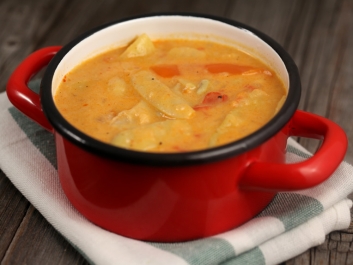
Hungarian Paprika Guide
The shopper's guide to Hungarian paprika.
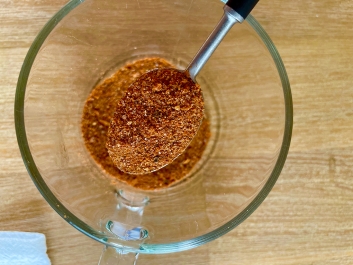
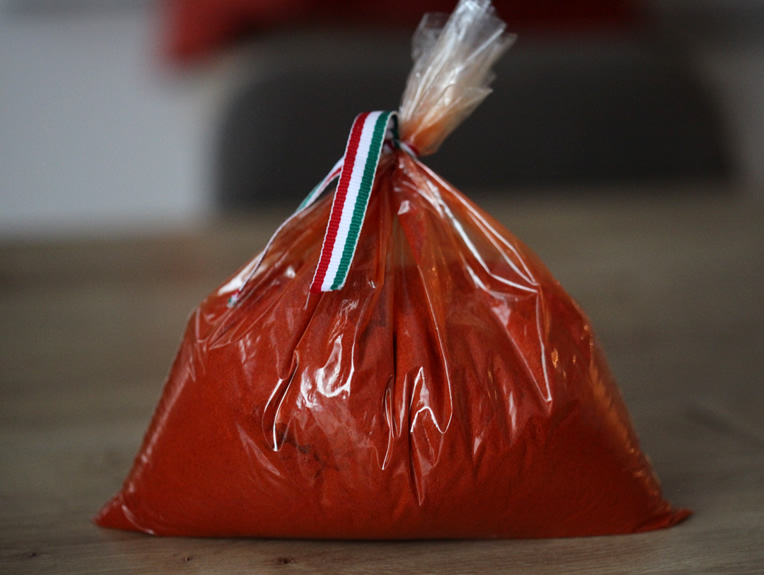
Hungarian paprika is ideal for adding flavor and color to soups and stews. What you see in the photo above is this year's paprika, bought from the market in Szeged. The peppers are picked and dried in September, so it can't be fresher than now in October.
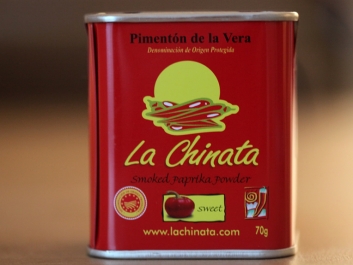
Below you'll find some tips on how to read paprika packaging so you know what you're buying. In principle, if you remember edesnemes (for sweet paprika) and csipos csemege (for hot), you'll manage even if you don't speak Hungarian.
The best quality Hungarian paprika is produced in Szeged and Kalocsa from long, pointed red peppers. The price reflects the quality. If you buy loose paprika, take some between your fingers, rub it and then smell it; the quality depends on how pleasant and intense the smell is. Usually sweet paprika has an intense red color that will give wonderful color to your dishes.
Types of Paprika
- Kulonleges: special paprika; bright red, intense taste
- Csemege: delicate paprika; made from selected peppers; medium, fine taste
- Csipos csemege: spicy delicate paprika; this is usually what I use as hot paprika to make dishes spicy
- Edesnemes: sweet noble paprika; made from the best quality peppers; has intense color and flavor; this is the perfect paprika for porkolt (Hungarian meat stew) or goulash
- Rozsa: rose paprika; hot
- Eros: very hot paprika
Other terms on the packaging
fuszer - spice
orlemeny - powder
How to Use
The aroma of paprika is best highlighted when dissolved in fat (lard or oil); that's why in dishes it's added early, before adding liquids. It burns easily in hot fat and develops a bitter taste, so pull the pot off the heat before adding it and immediately "quench" it with a liquid.
Storage
In a glass jar closed with a lid, in a dark and cool place; paprika loses its aroma and color after 6 months; it doesn't expire after this time but its quality degrades.