San Sebastian Food Guide
In April I visited Spain for the first time. I chose the city of San Sebastian. And what a great choice! The best place to taste Spain for the first time. I flew from Cluj to Zaragoza (3 hours) and then rented a car to San Sebastian. The highway drive was easy, taking 3 hours, including a short stop in Pamplona (the city of the bull run).
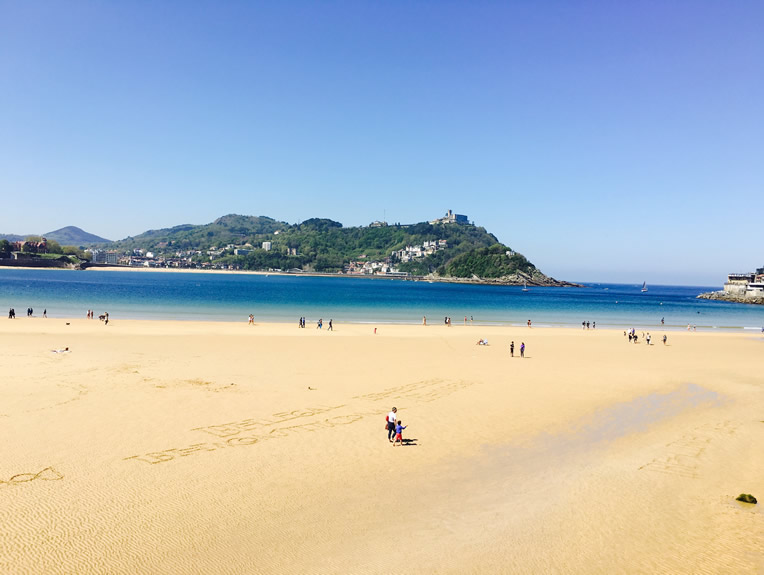
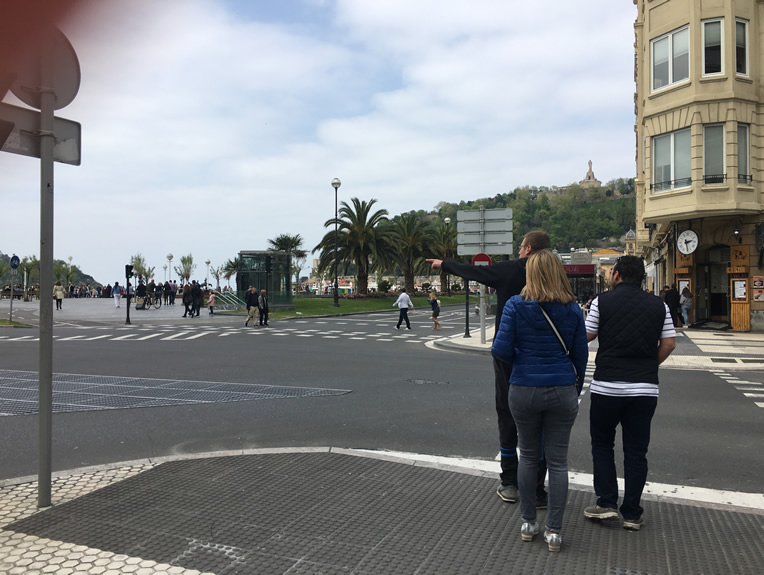
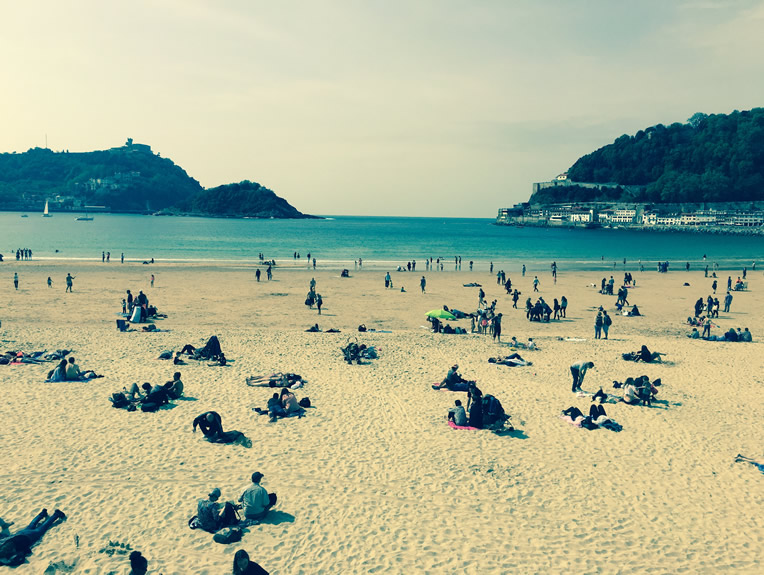
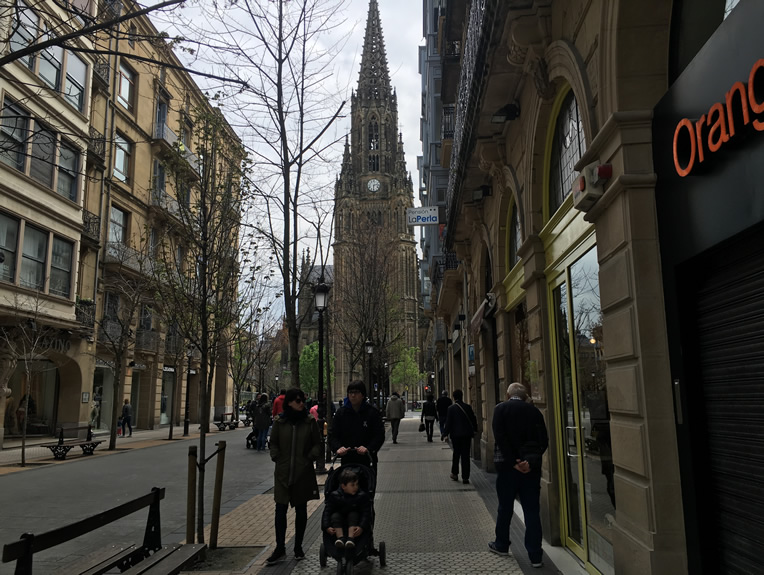
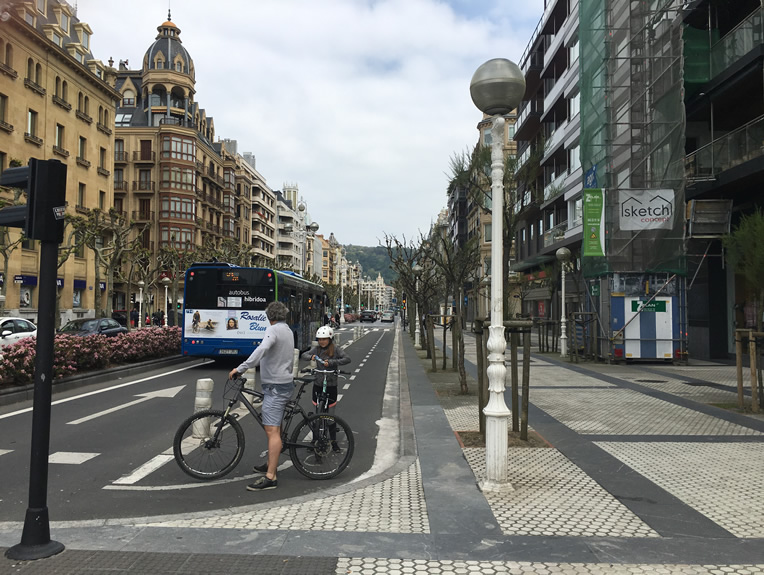
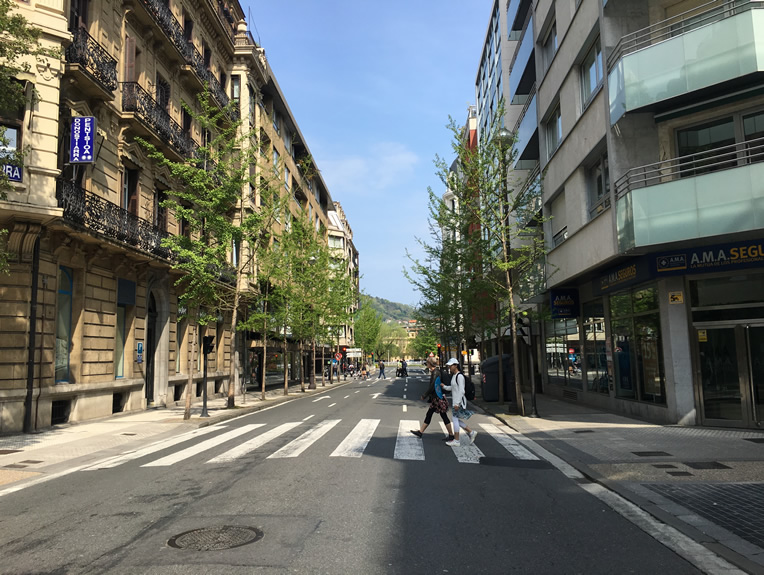
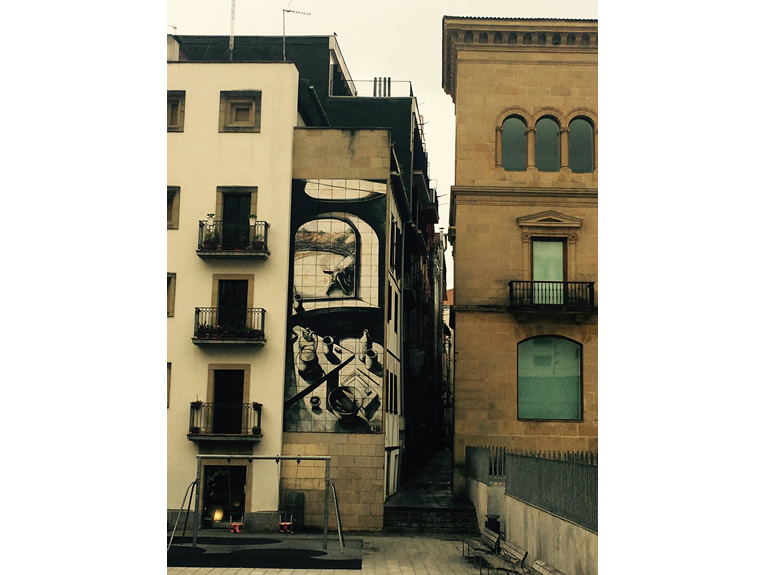
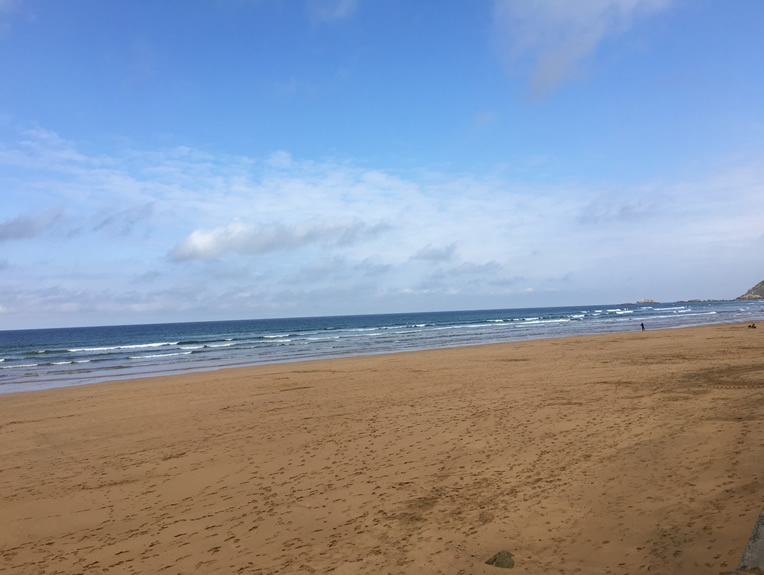
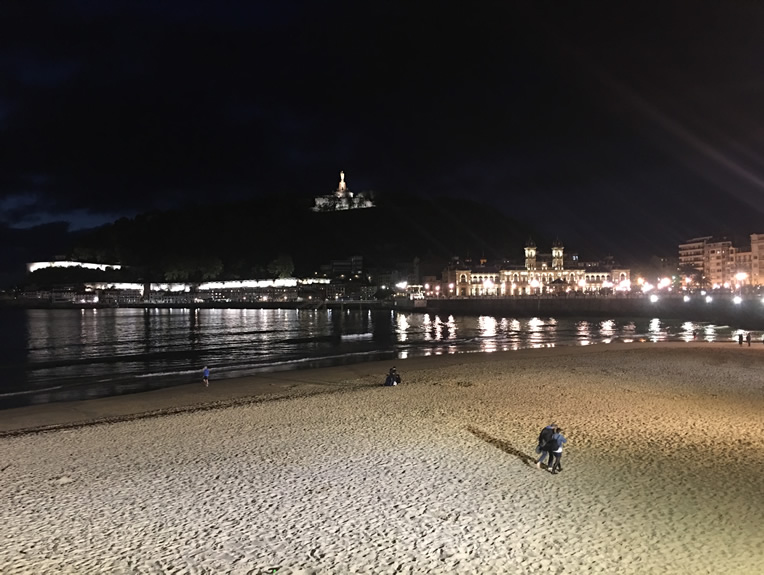
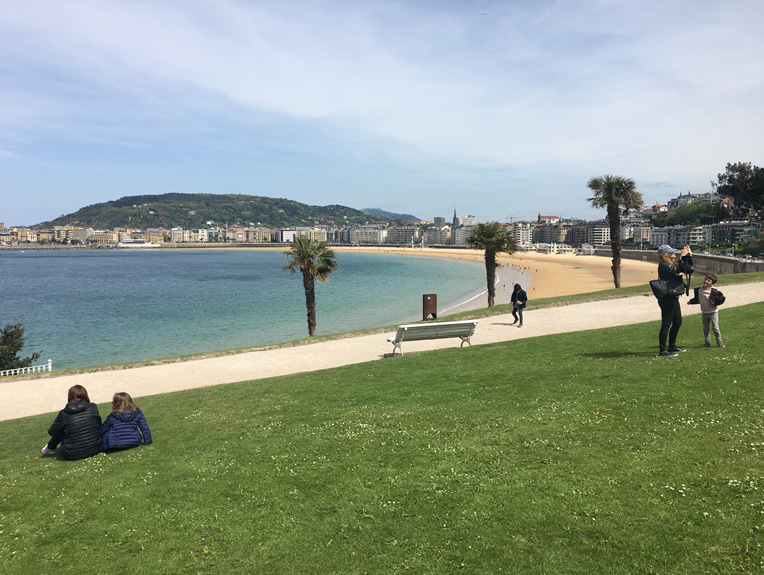
San Sebastian is a charming city on the shore of the Bay of Biscay. It has three long beaches on either side of the old town (Parte Vieja). To the right when facing the sea is Zurriola beach, and to the left are Ondarreta and Concha (Kontxa). *The first thing I learned here was that TX in Basque is pronounced CH! The city is very elegant, with belle epoque architecture (the old town burned down), very green and very clean.
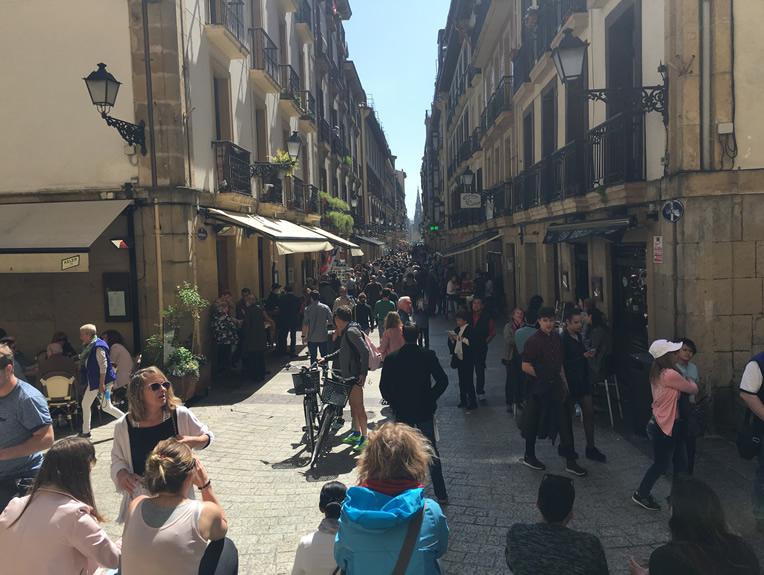
We rented an apartment in the old town, steps from the food market (Bretxa). In the end, we were steps away from anything we could have wanted. At the end of the street was the promenade. The best Pintxos bars were 5 minutes away.
And that brings me to what interested me most. So pintxos... They are a type of tapas. They are miniature portions of food served with or on a slice of baguette. San Sebastian is very close to France, so they borrowed the baguette from them.
This style of eating suited me so well! Each bar has its specialty, and the tradition is to go from bar to bar, having 1-2 pintxo portions and a drink at each. This way, in just a few days I had the opportunity to taste dozens of dishes without feeling full for a single moment. The photos I have attached speak for themselves. But even the photos I saw online before did not prepare me for what I found in San Sebastian. That effervescent atmosphere that is created when many people gather around a table with good food and drink.
The counters are usually full of cold pintxos. They are good, especially if you are very hungry and want something quick. Usually the bartender heats them if needed.
But the truly good food is made on the spot, hot pintxos. They are ordered from the boards behind the bartenders. They cost between 2 and 5 euros per piece.
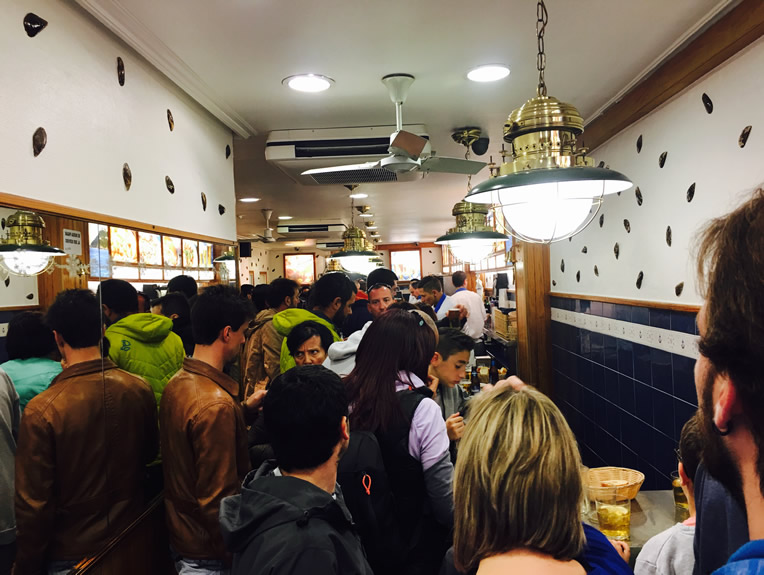
There are very few tables in the bars. You eat at the counter. It is very crowded, so there was no room for politeness. Usually we slowly and surely made our way to the counter and once we got there, we did not move until we placed our order. The whole system is well organized. Orders are taken quickly and the food comes just as fast. Napkins are within reach, under the counter, and at the end they are thrown on the floor. This was the hardest thing in San Sebastian. For two days I walked around with them in my pockets! They say that the more napkins on the floor, the better the food in that place. In the end I convinced myself that I HAD to throw my napkins on the floor too, to signal to those after me that the food there was good.
At Cuchara de San Telmo I finally threw all my napkins on the ground. It was my favorite bar. They only have hot pintxos, made to order. We arrived 20 minutes before opening. Two Asians were already there. We got in line and after 10 minutes there was a huge, huge line, tourists were stopping to photograph us. But the wait was worth it, and the food came at such a fast pace that no one suffered any blood sugar crashes 😊
The highlight was when at Bar Nestor we had to go 1 hour before opening to sign up on a waiting list for a piece of tortilla. This bar makes only 2 tortillas a day (one at lunch and one in the evening). If you are lucky, you get one of the 16 pieces of tortilla from each batch. That day, we were more than lucky. We got the last two pieces! After an hour we returned and triumphantly received our portion in front of dozens of people looking at us with envy. They got over it when they received their txuleta, which here is just as fabulous as this rare tortilla.
Another favorite bar was Casa Urola. The artichoke with hazelnut sauce was my favorite. But the rest came pretty close.
Borda Berri, another nice place, with the most tender ribs.
Bar Sport, owned by the brother of our host Maria, has the best grilled calamari. They melted in your mouth, I have never eaten anything like it.
At Gandarias we ate solomillo, individual portions of beef tenderloin with green pepper and sea salt. At Fuego Nero we ate mini Kobe beef burgers.
At Vina we ate "the best cheesecake in the world," as the locals called it. It was wonderful, in fact so wonderful that we went there for dessert every day. Served with a glass of Pedro Ximenez Nectar. I got the recipe, I cannot wait to see if it turns out for me. And another extraordinary dessert: the bread pudding from Atari.
Gilda is the most famous pintxos. It was created at Casa Valles bar. It is actually a skewer with olives, pickled guindilla peppers and an anchovy fillet. It is eaten in one bite. Difficult, but I managed to do it too. The appetizer is inspired by Rita Hayworth when she played in the movie Gilda. The scene where Rita danced was censored in Spain, so everyone went to France to see it. Apparently the scene is as green, salty and spicy as this appetizer. Now I have to see the movie too. The best gilda? I ate them at Bar Sport and Bar Nestor.
Talos is the street food we particularly enjoyed. They are actually corn flatbreads made on the spot, filled with fresh grilled chorizo, bacon, cheese or chocolate. Every morning we ate talos with chorizo on the promenade and drank a cortado (coffee, like a macchiato). Although I do not drink sweetened coffee, I ordered cortado con sacarina every time, because the way they pronounced it there sounded so funny... That was the first thing I heard in Spain and I burst out laughing in front of the poor guy ordering his coffee.
I am dizzy just remembering these foods. And I have not even gotten to: grilled foie gras, confit tuna with onion, fried hake or bacalao, fried green peppers with a glass of beer, iberico bellota ham.
During the day we drank beer (also served in small glasses suited to the small food portions), vino tinto (red wine), vino tinto de verano (red wine with lemonade and vermouth). Instead of water we drank Txakoli Getariako (Txakoli from Getaria). Seriously, only after a few days did I realize we had not really been drinking water. It is a white wine, slightly sparkling, fresh, with high acidity, simple but perfectly paired with the smell of the sea and the warm sun of San Sebastian. It went down so easily, like lemonade. The wine is poured through special stoppers that make it more sparkling. It is poured from half a meter into low water glasses. A true revelation, this wine. Just writing about it makes my taste buds react.
In the evening we drank vermouth and gin. What we did not drink in SS: calimocho (red wine with cola). The only thing I did not like in SS: the cider. I will stick with the French version.
Although we managed the feat of not eating at a normal restaurant with tables, they do exist. They are called jatetxe. In fact, San Sebastian holds 16 Michelin stars, has some of the best restaurants in the world, including Mugaritz and Arzak.
On the first day we were helped to discover the city by Lourdes, our wonderful guide. We took a pintxos tour from Viator.com. It lasted 3 hours, through 6 bars. The tour was good value for money, I recommend it.
We did food shopping at Mimo, a gourmet store in the Maria Cristina hotel. We got cheeses from the Elkano store.
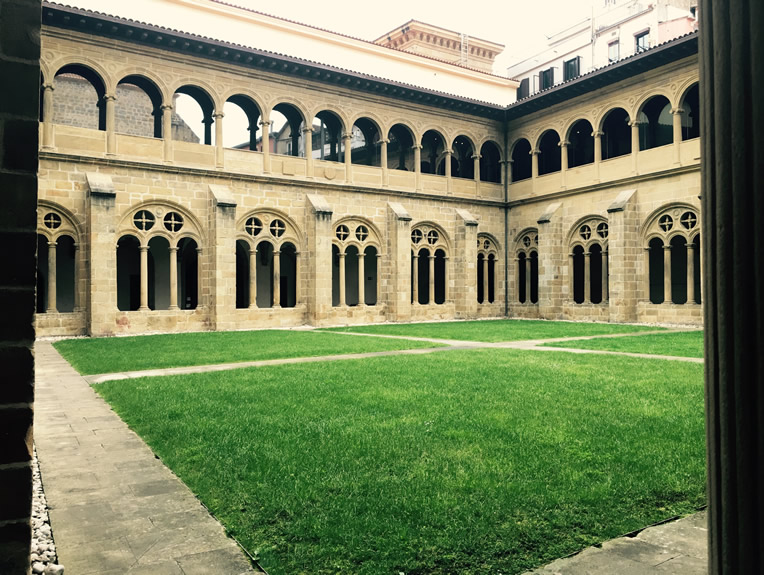
Besides eating and walks on the beach, we visited the San Telmo museum and the aquarium. We walked through Cristina-Enea park. We climbed Mount Urgull to see the city panorama. We smelled the city at Benegas Perfumery, an old perfume shop with collectors perfumes. Here I discovered that San Sebastian has its own perfume: Sirimiri, which means drizzle. Smelled it, liked it, bought it. Although the climate is rainy during winter and spring, we enjoyed 20 degrees with sunshine almost all the time. Many were swimming in the ocean, but I did not dare, at 14 degrees water temperature. I only dipped my ankles. And I ate my first ice cream of the year, mango flavor, from Boulevard.
How to prepare san sebastian food guide
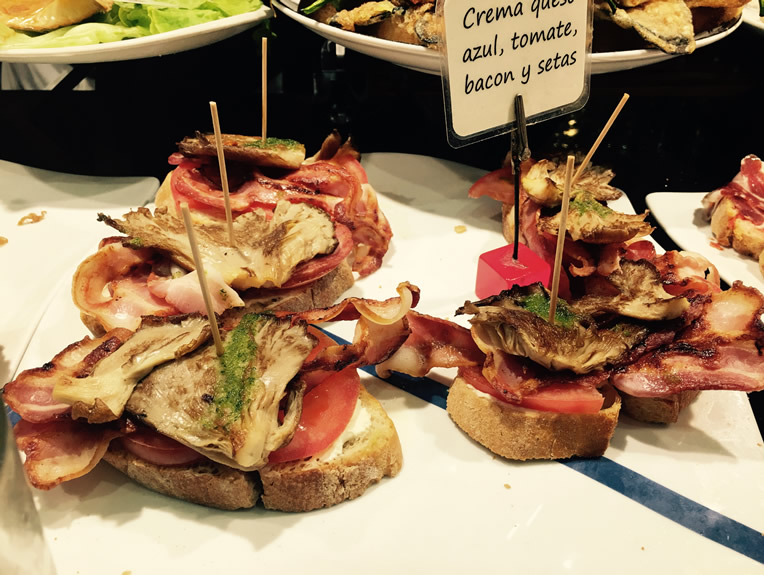
Grilled oyster mushrooms with tomatoes
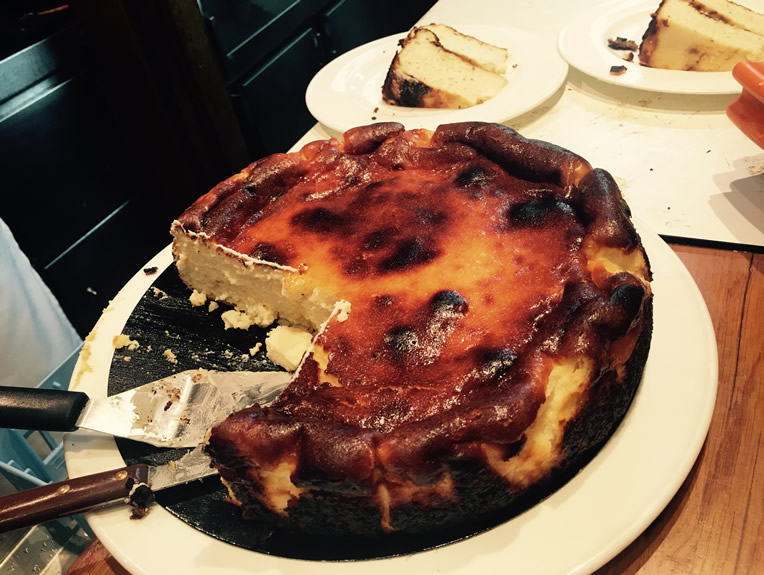
Cheesecake (Vina)
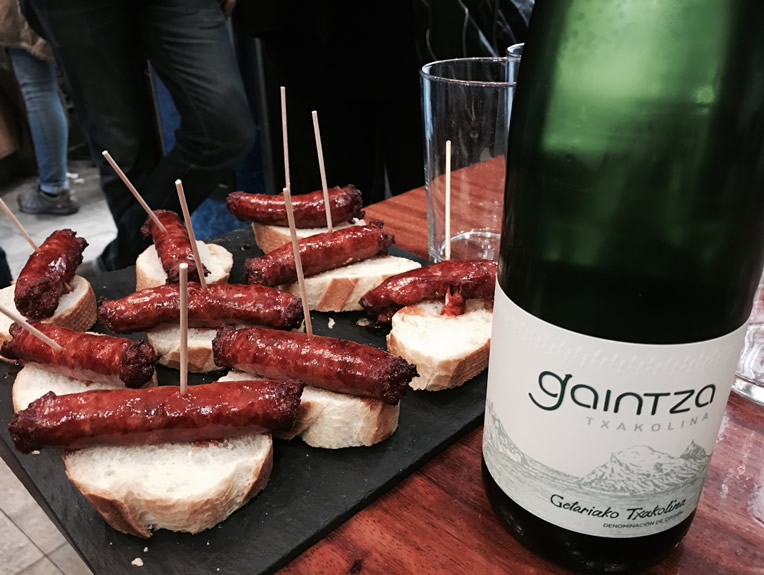
Fresh chorizo (Bar Sport)
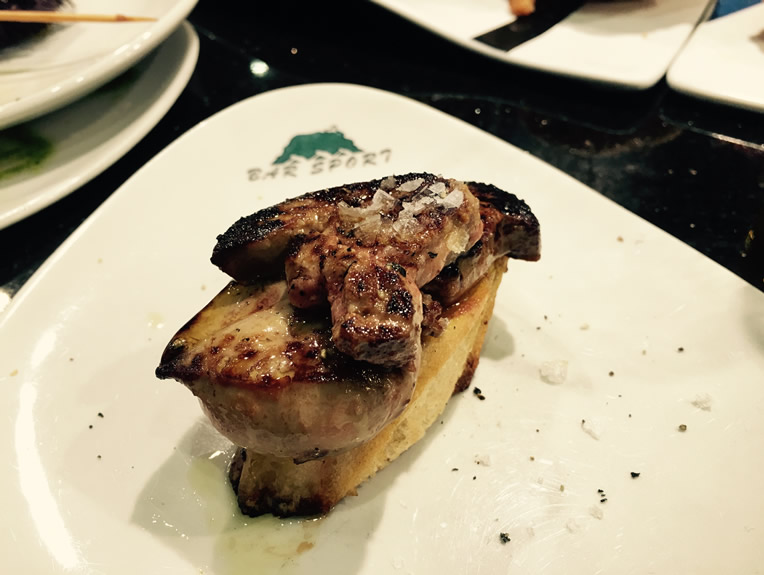
Grilled foie gras (Bar Sport)
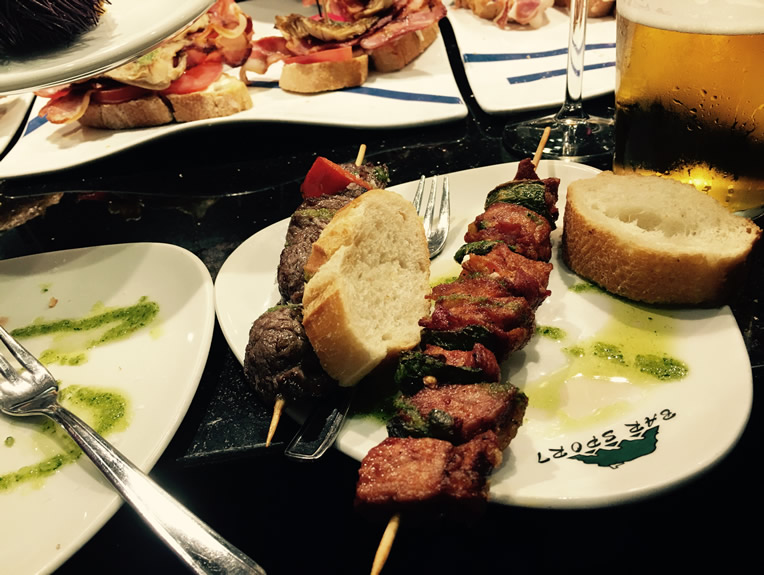
Pork and beef skewers (Bar Sport)
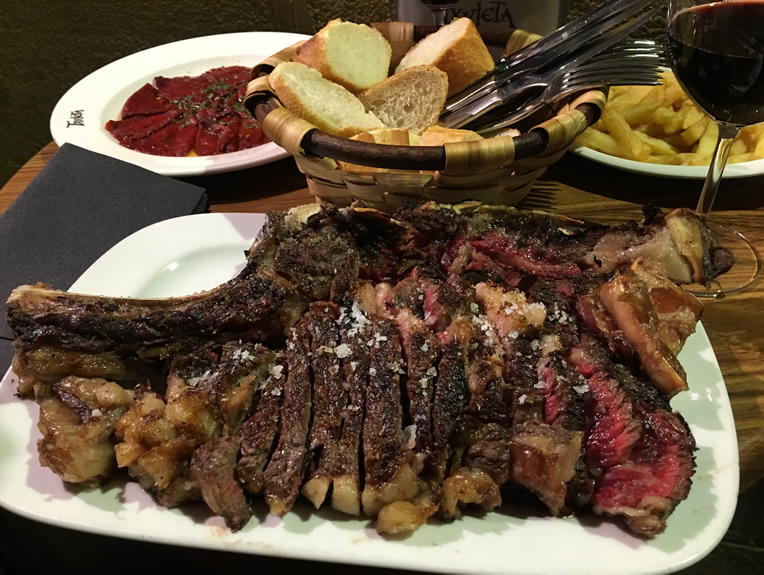
Txuleta steak
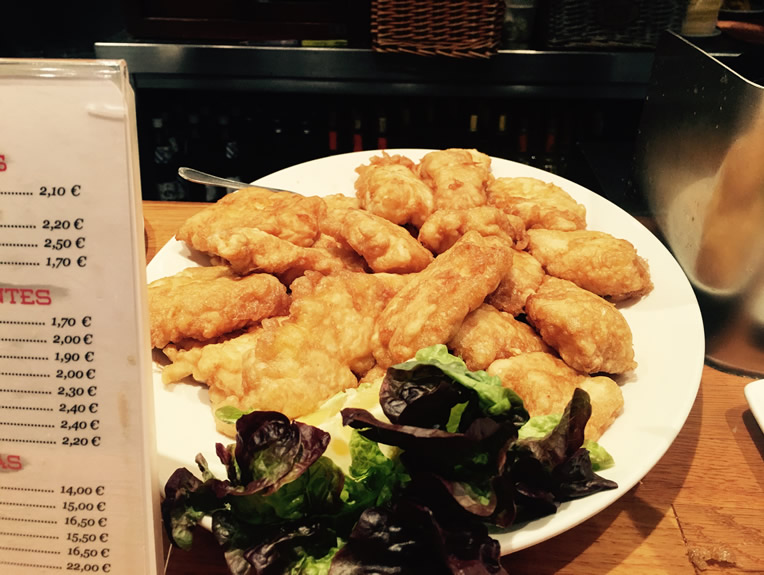
Fresh breaded hake (Vina)
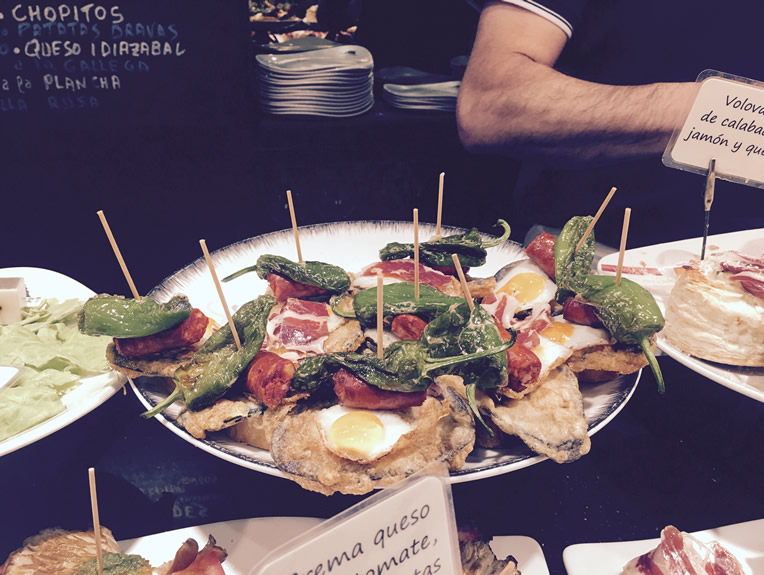
Pintxos
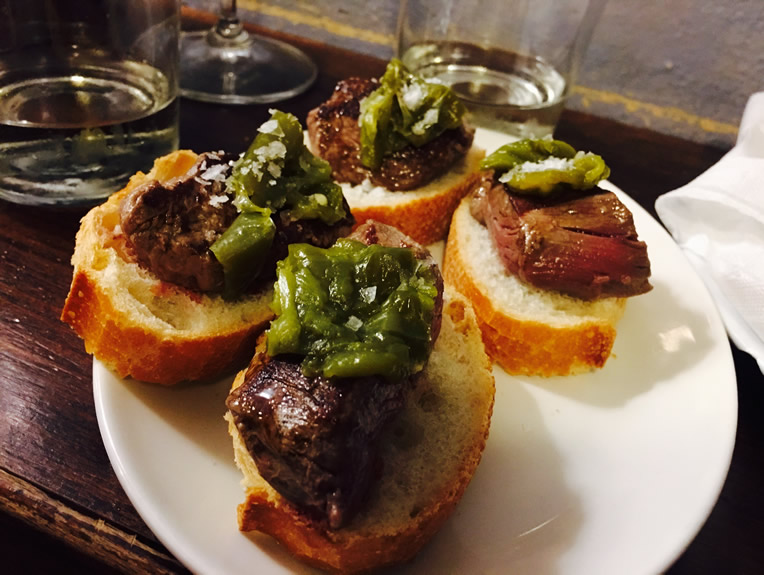
Beef tenderloin (Gandarias)
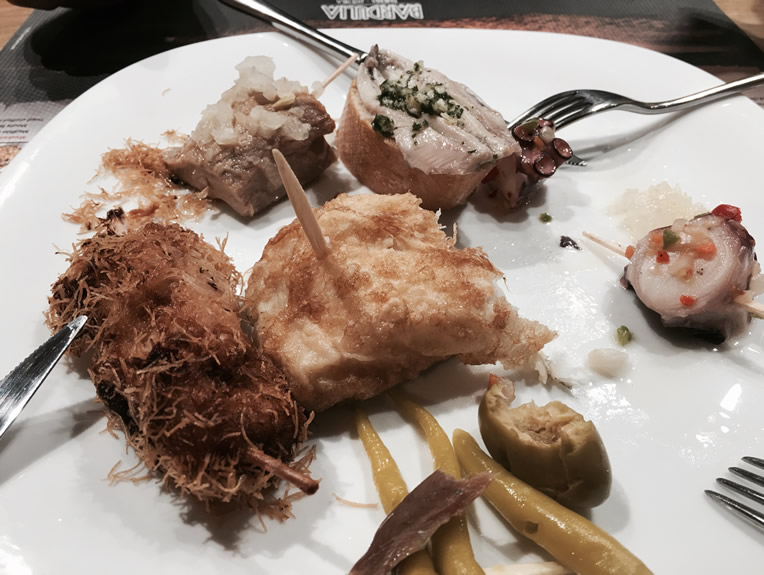
Pintxos
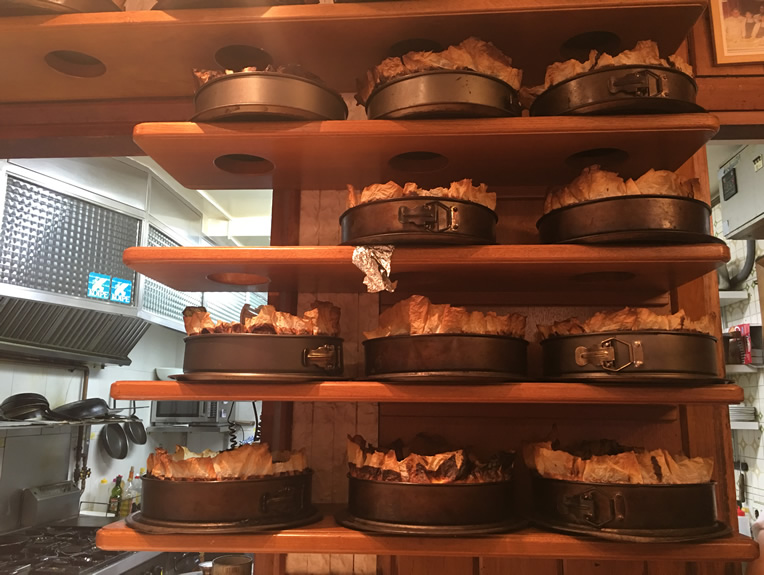
Cheesecake (Vina)
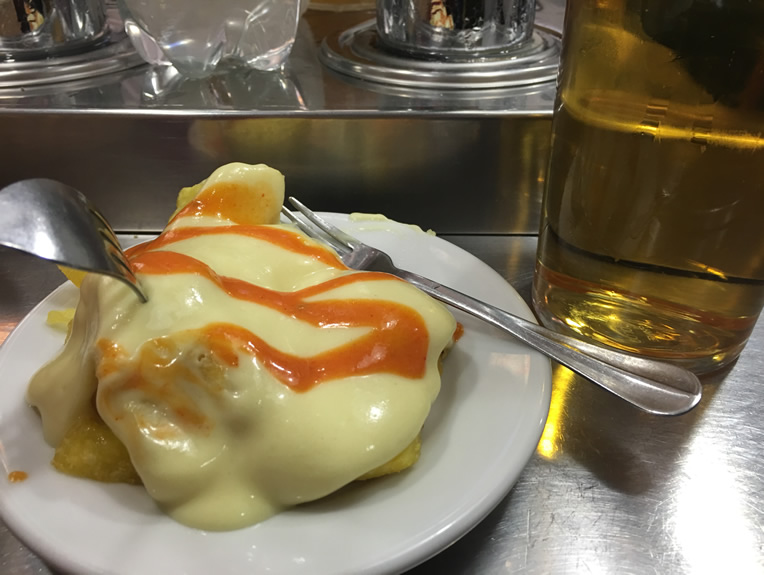
Patatas bravas (La Mejillonera)
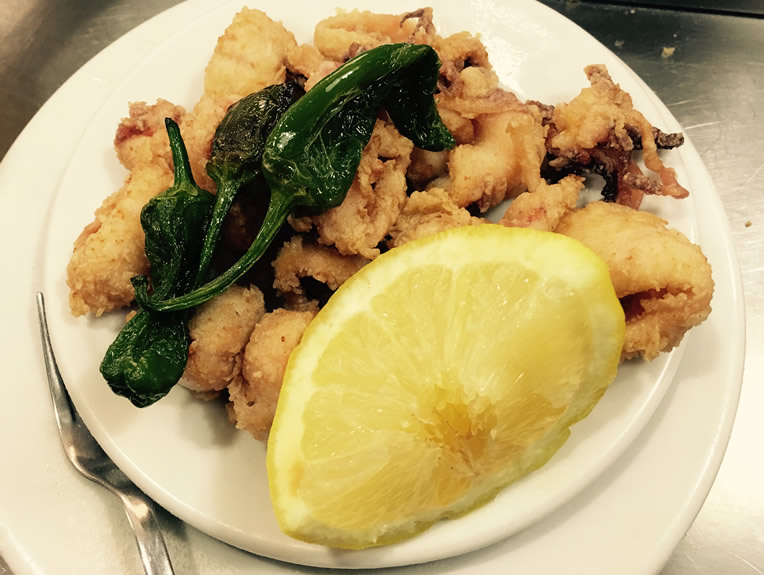
Fried calamari (La Mejillonera)
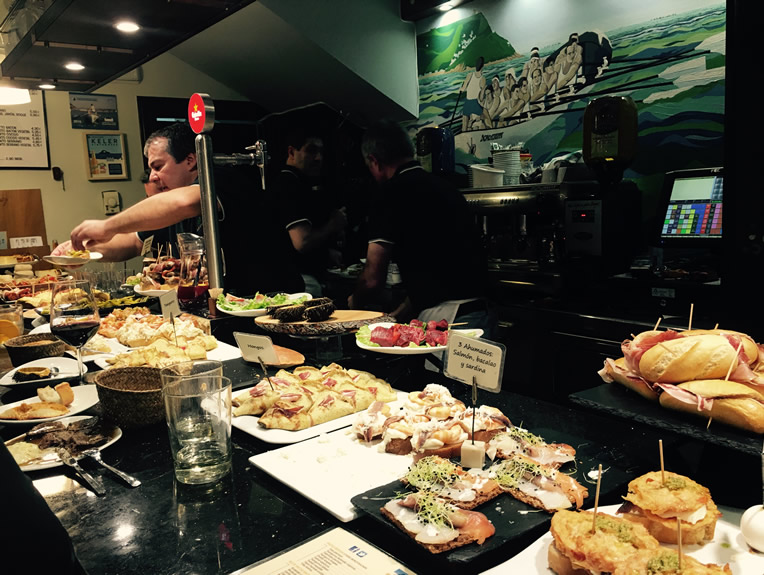
Bar Sport
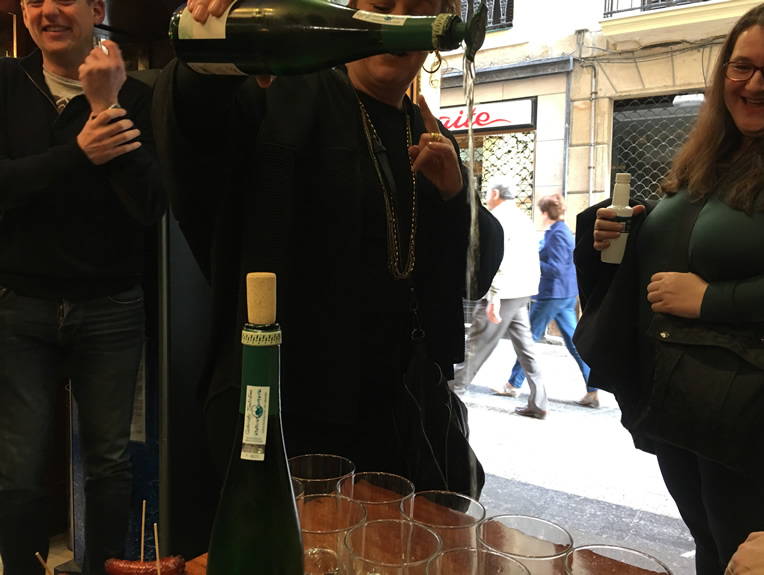
How Txakoli wine is poured
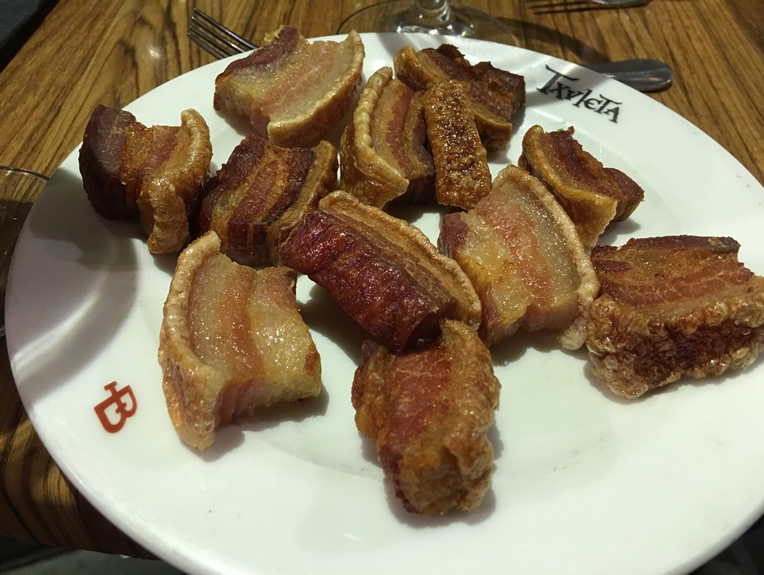
Pork cracklings (Txuleta)
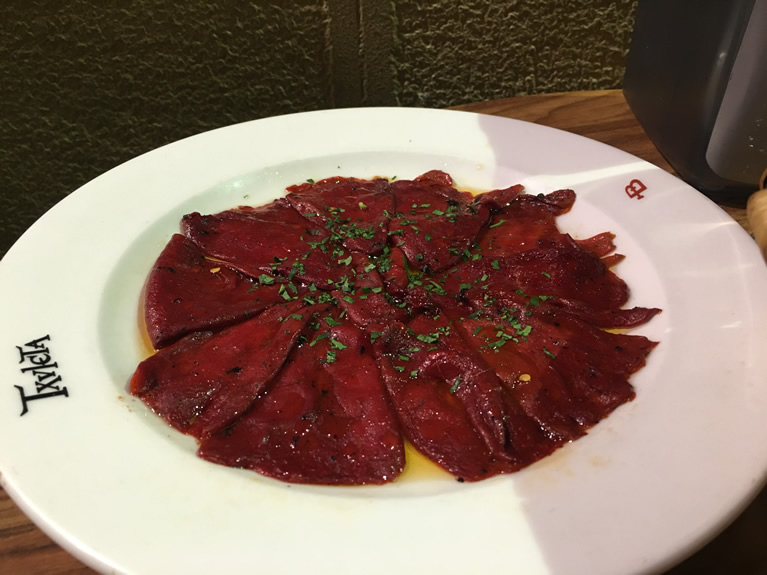
Confit Piquillo peppers (Txuleta)
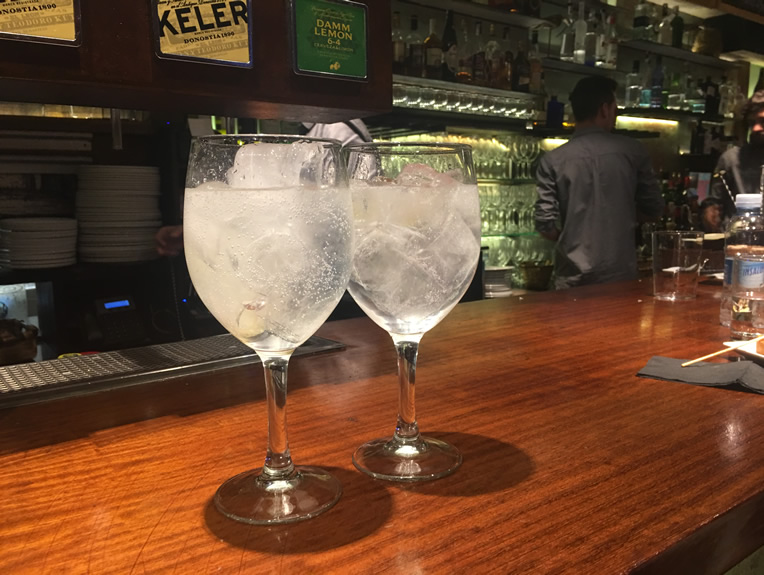
Gin (Atari)
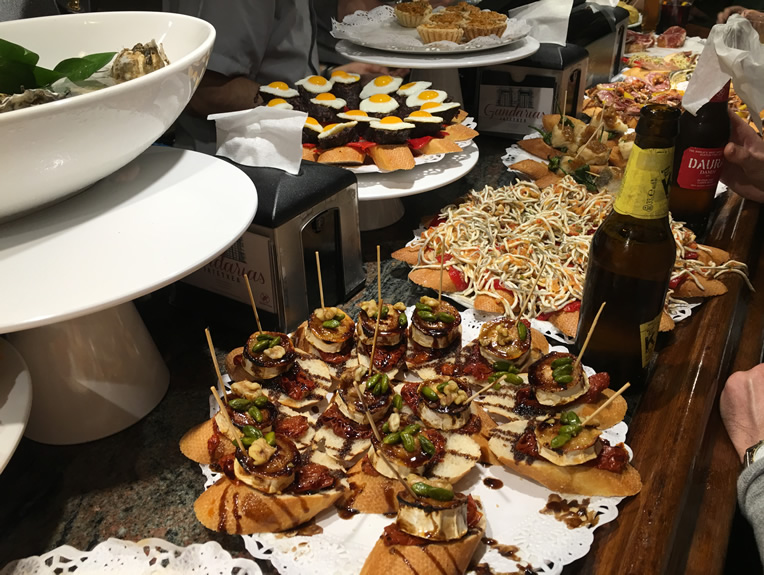
Pintxos
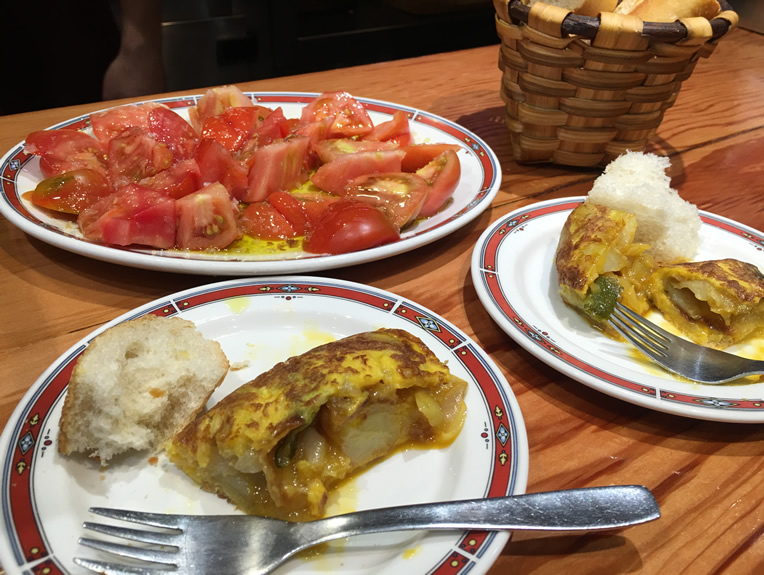
Tortilla with tomato salad (Bar Nestor)
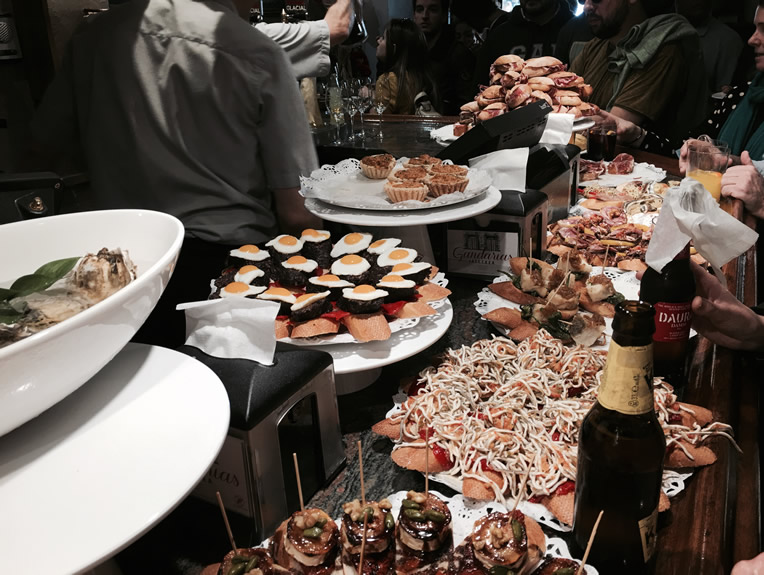
Pintxos
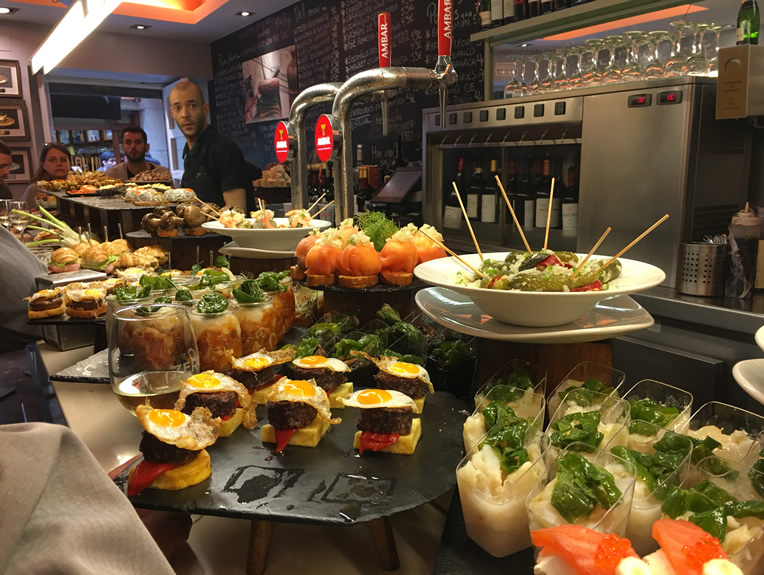
Pintxos
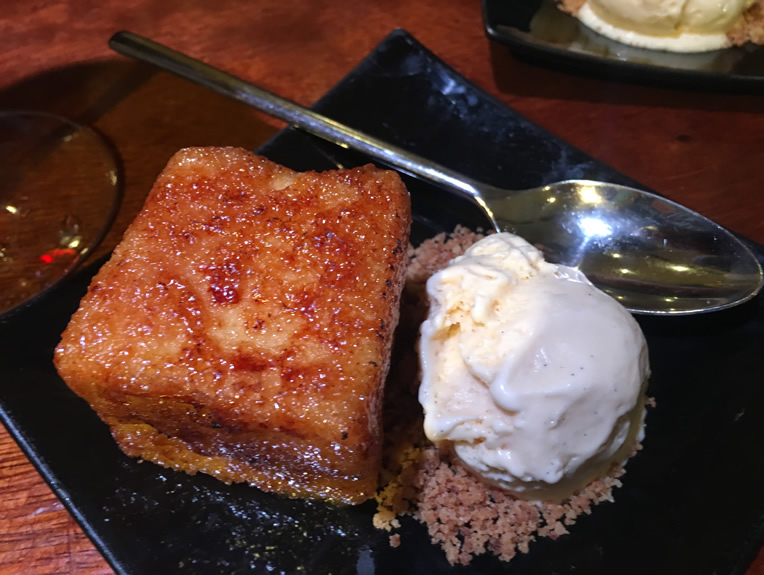
Bread pudding (Atari)
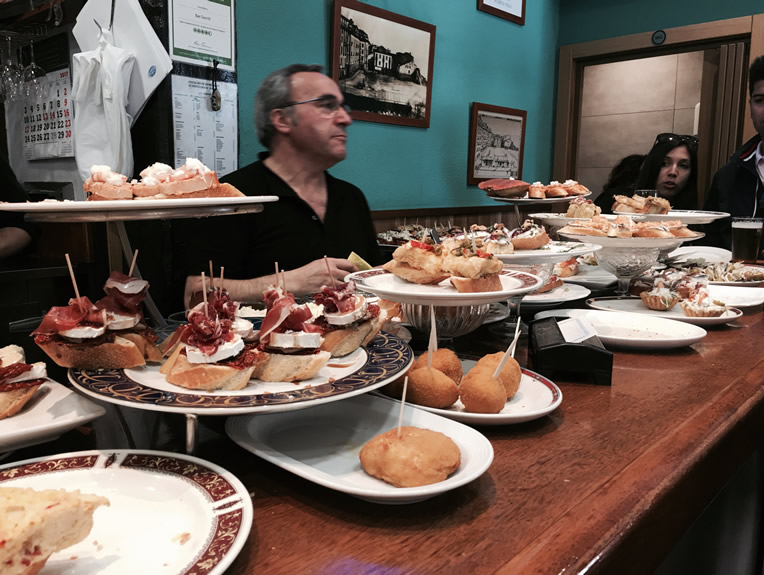
Pintxos
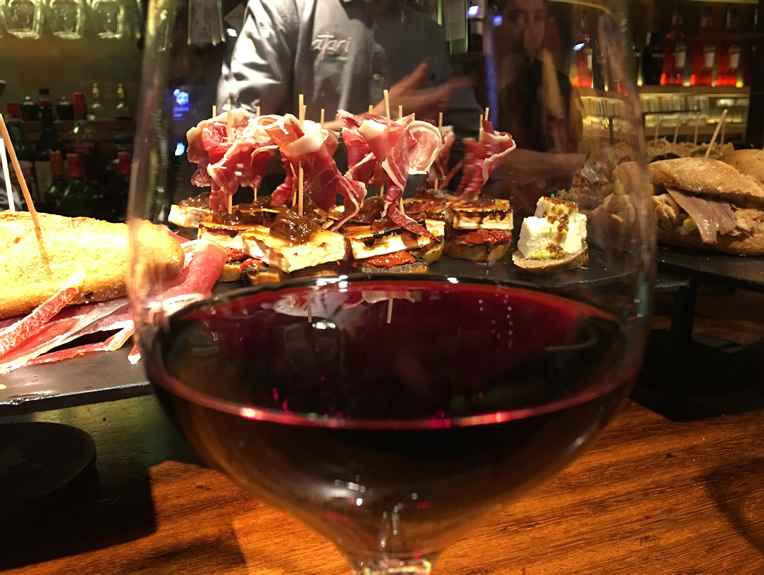
Rioja wine (Atari)
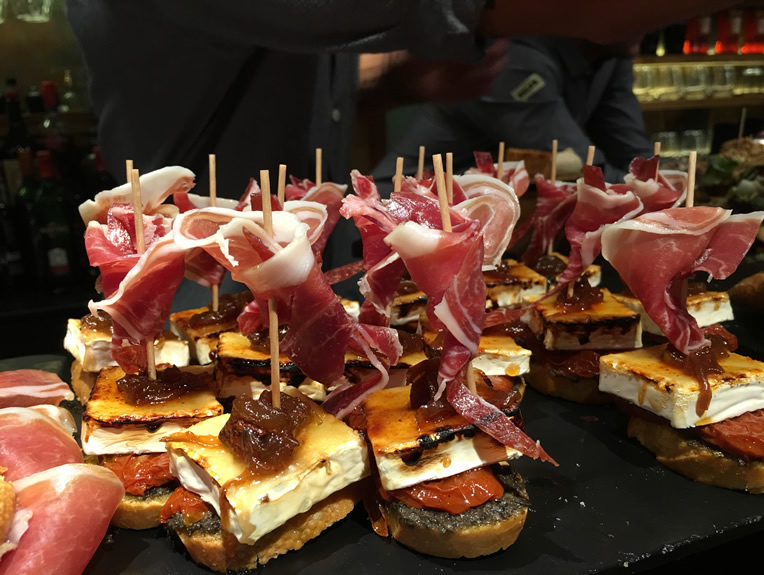
Pintxos
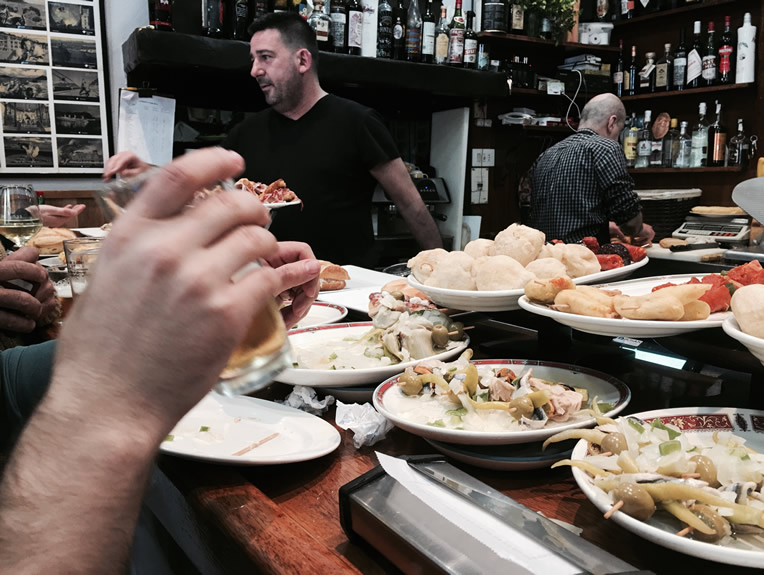
Pintxos
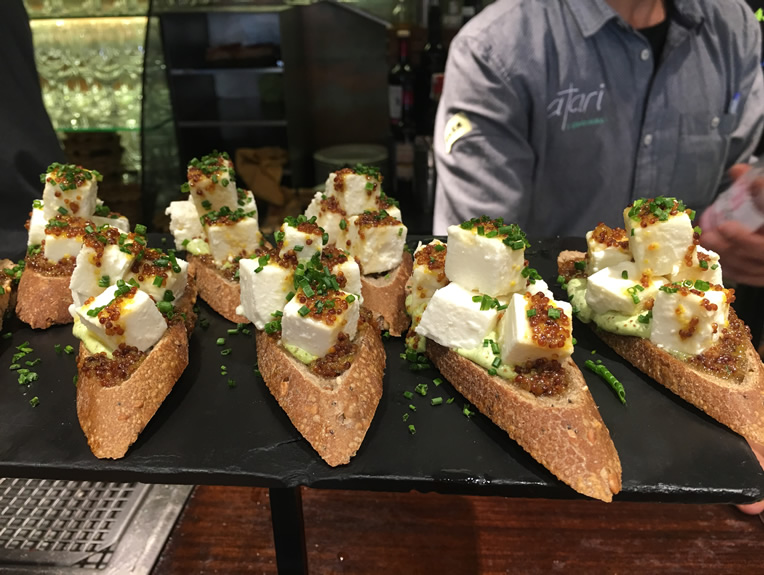
Tartines with feta cheese
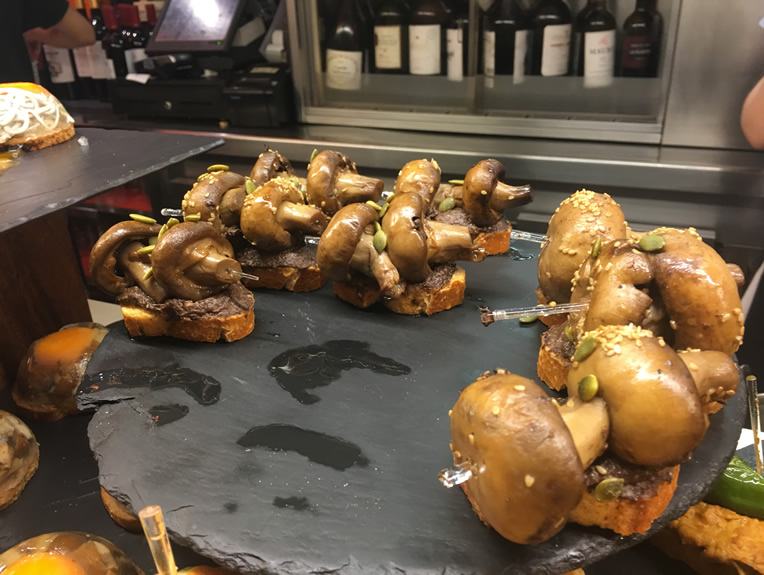
Mushrooms (Zeruko)
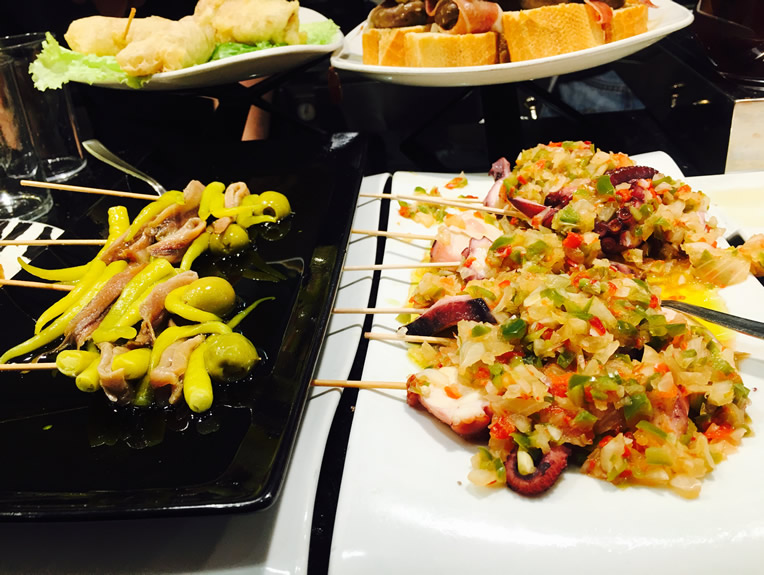
Octopus skewers
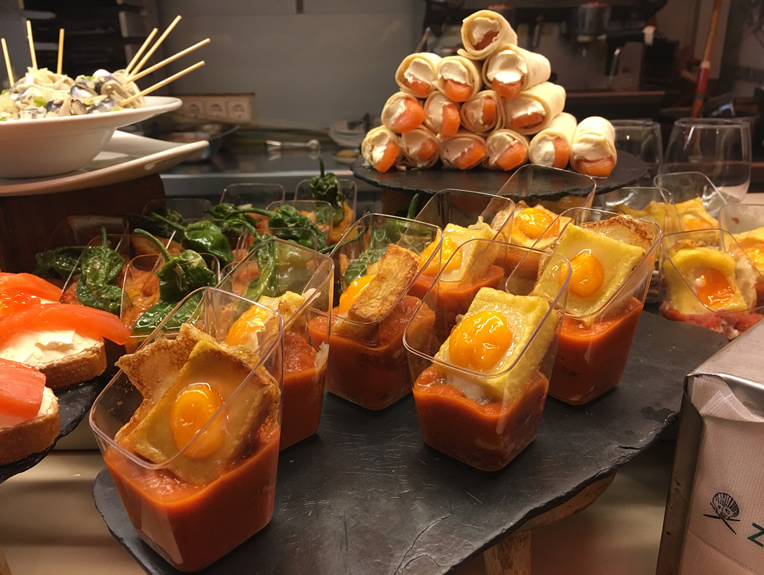
Pintxos (Zeruko)
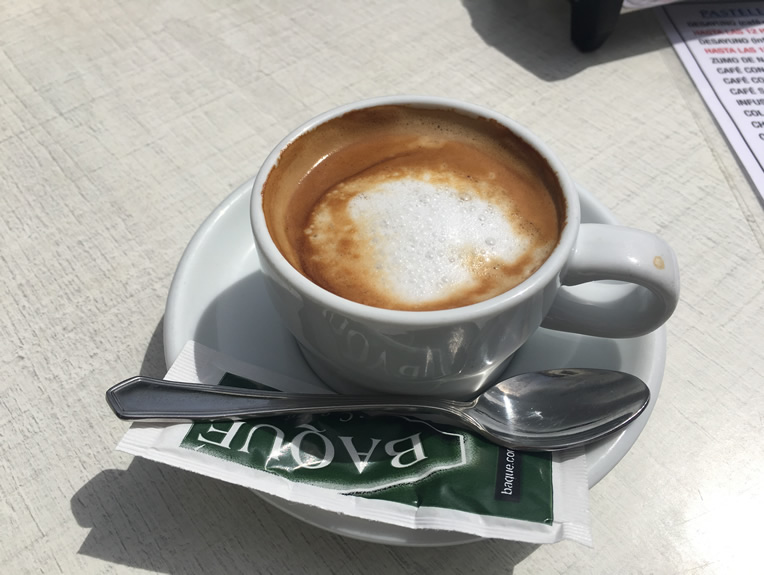
Cortado coffee (promenade)
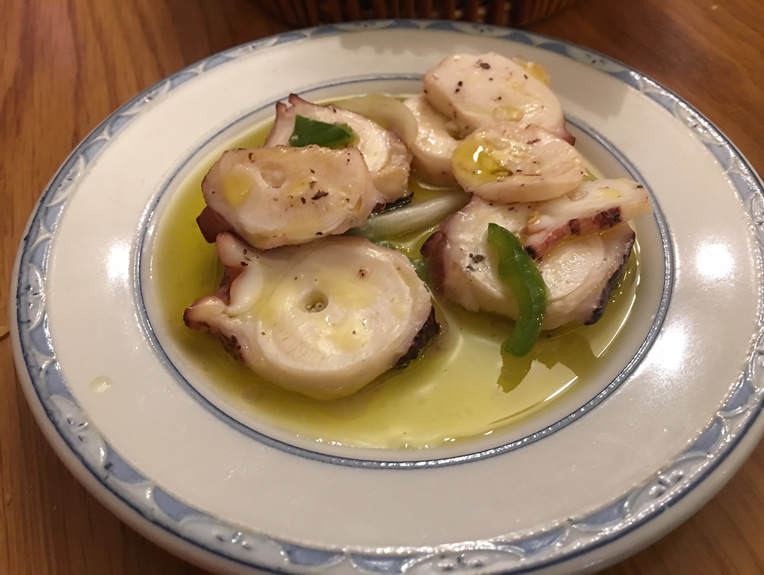
Marinated octopus (Vina)
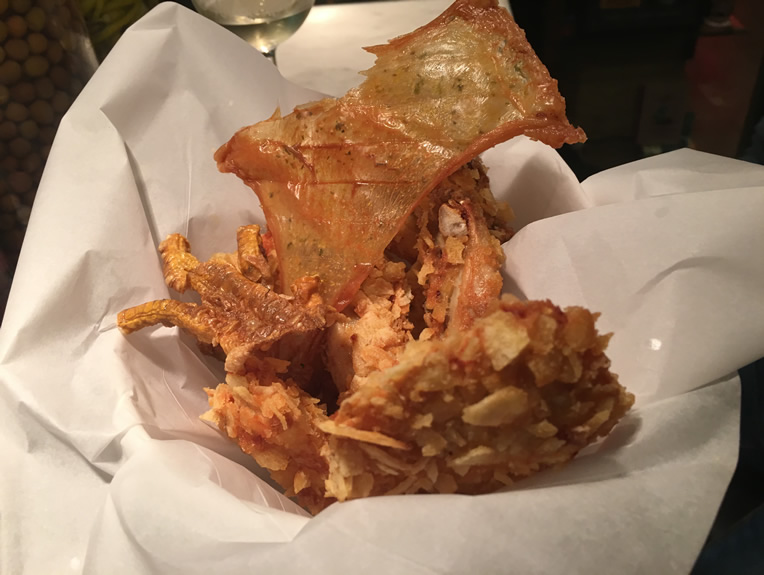
Roasted chicken with rosemary (Fuego Nero)
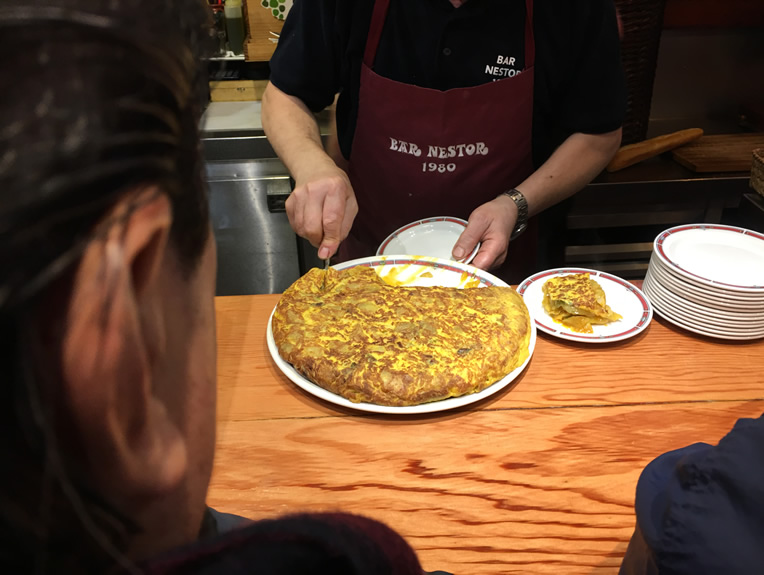
Tortilla (Bar Nestor)
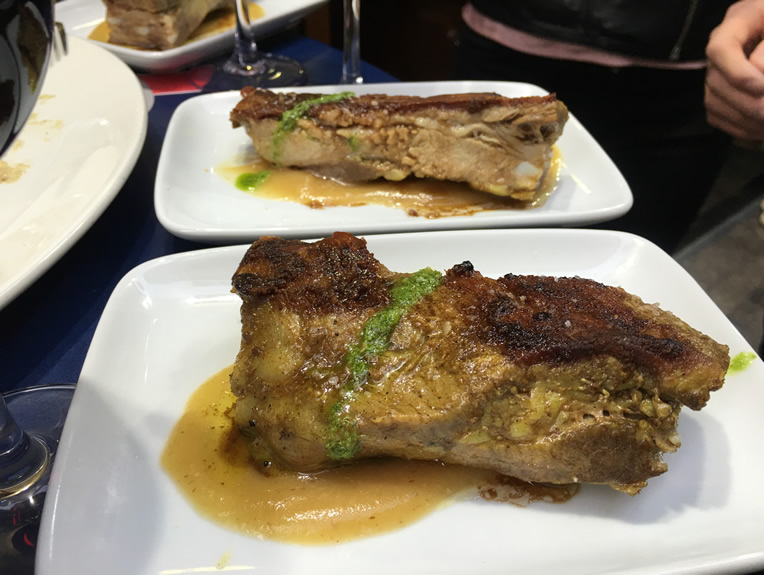
Ribs with apple sauce (Borda Berri)
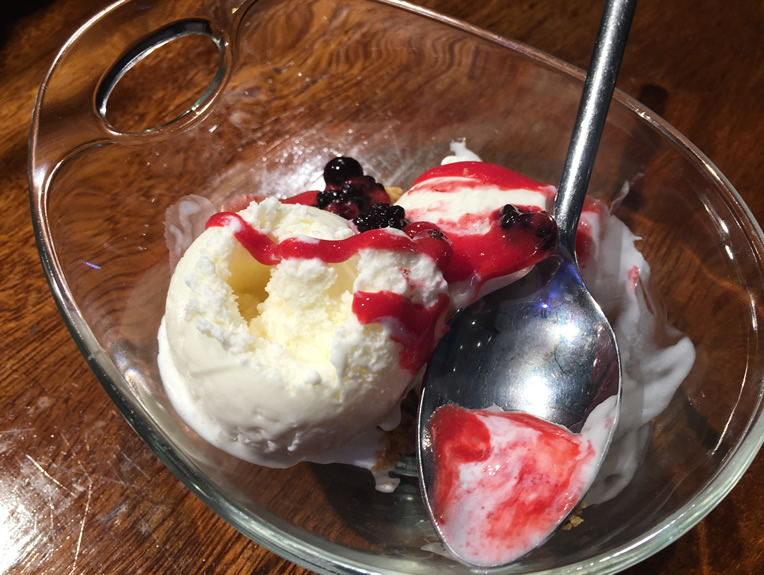
Goat cheese ice cream (Atari)
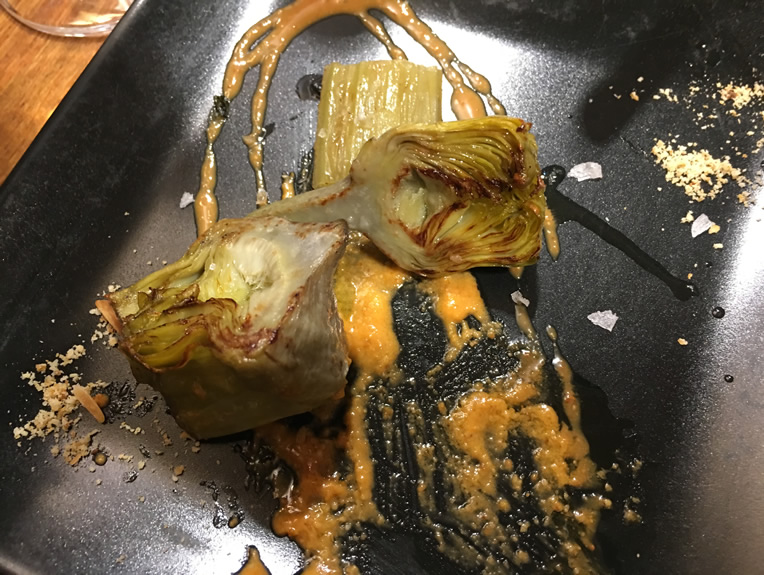
Artichoke with hazelnut sauce (Casa Urola)
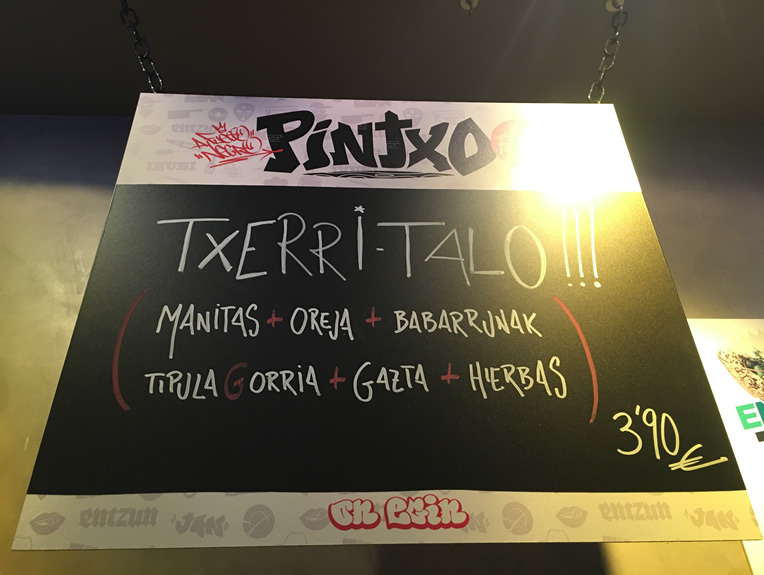
The menu... hard to read and understand
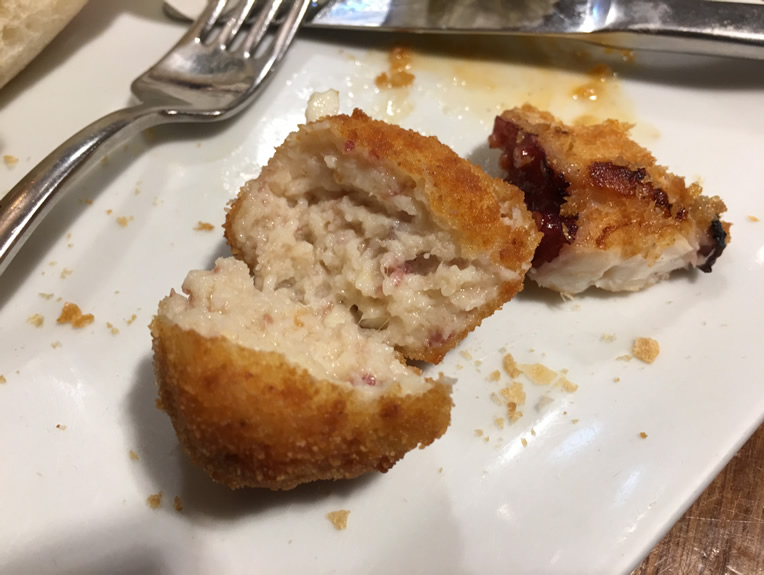
Ham croquettes (Casa Urola)
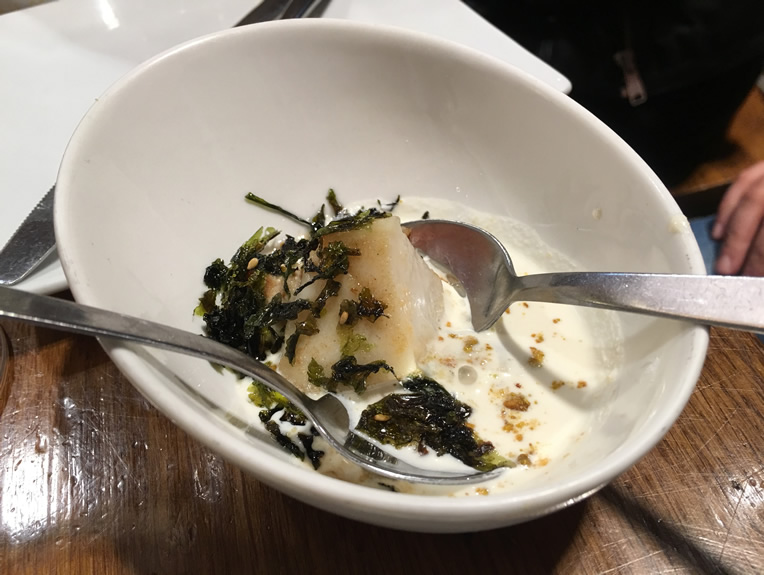
Scallop in Ajo Blanco garlic sauce (Casa Urola)
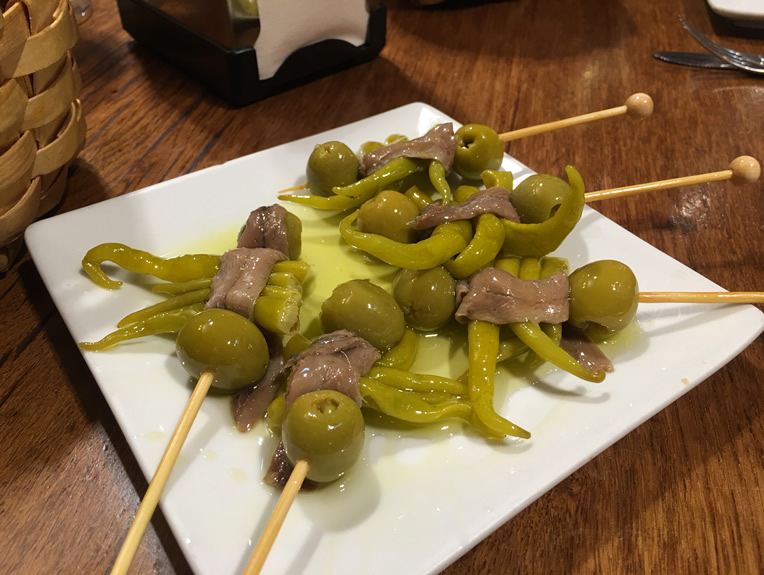
Gilda (Bar Nestor)
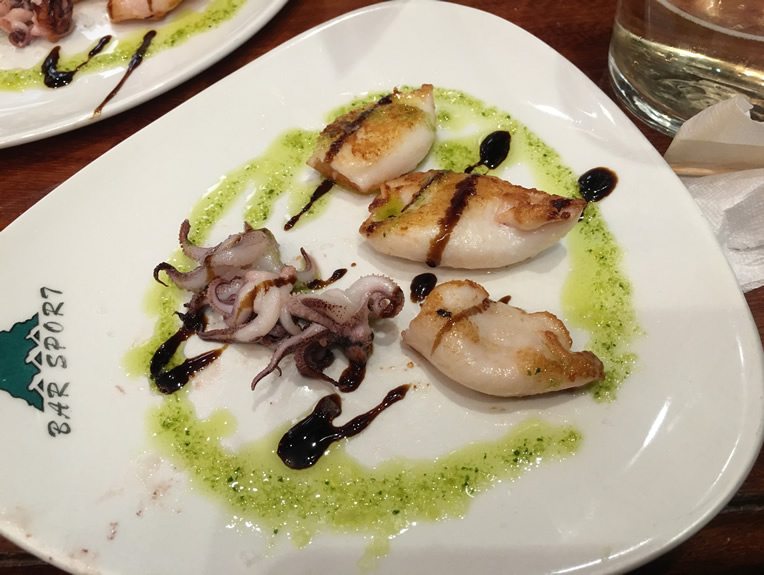
Grilled calamari (Bar Sport)
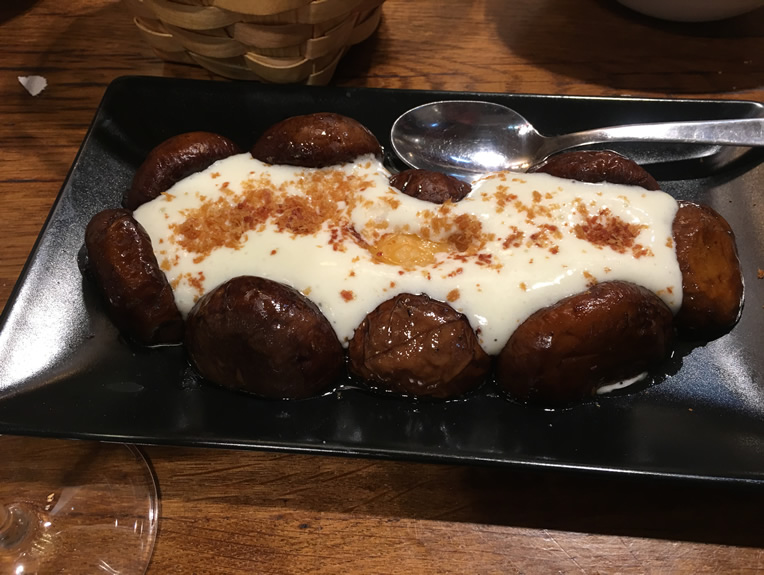
Mushrooms with mashed potatoes (Casa Urola)
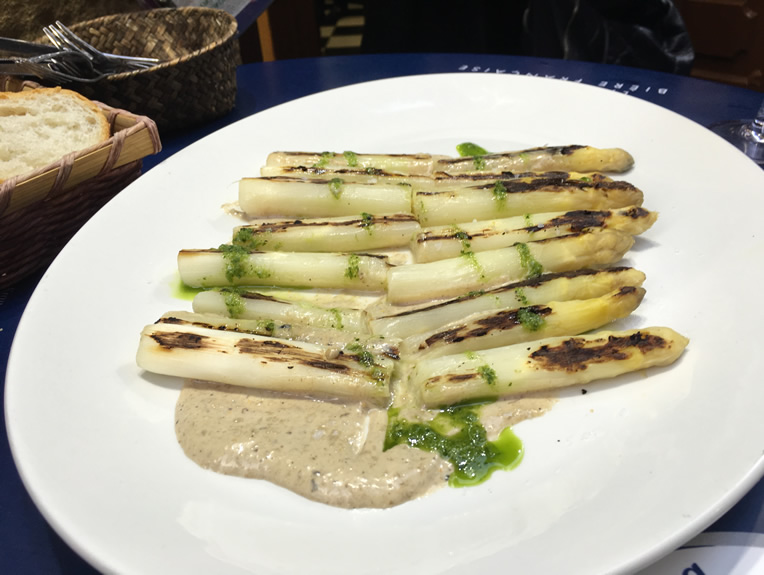
Asparagus with orange sauce (Borda Berri)
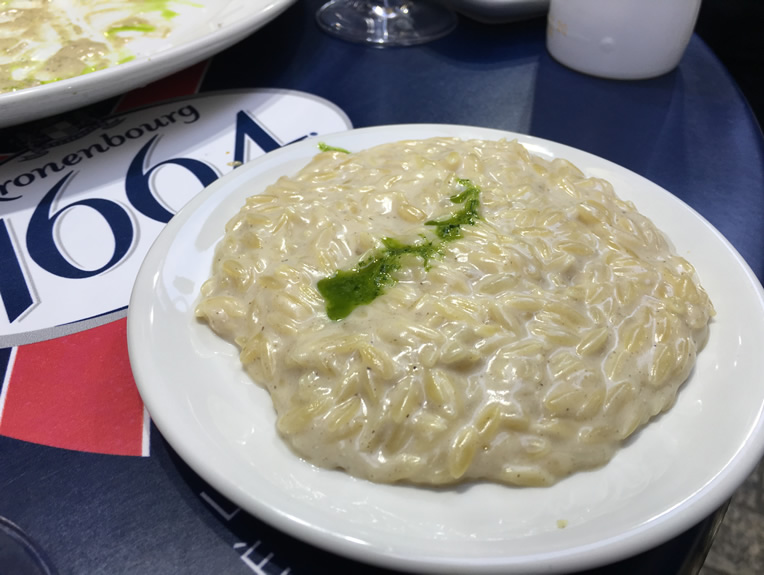
Risotto with smoked Idiazabal cheese (Borda Berri)
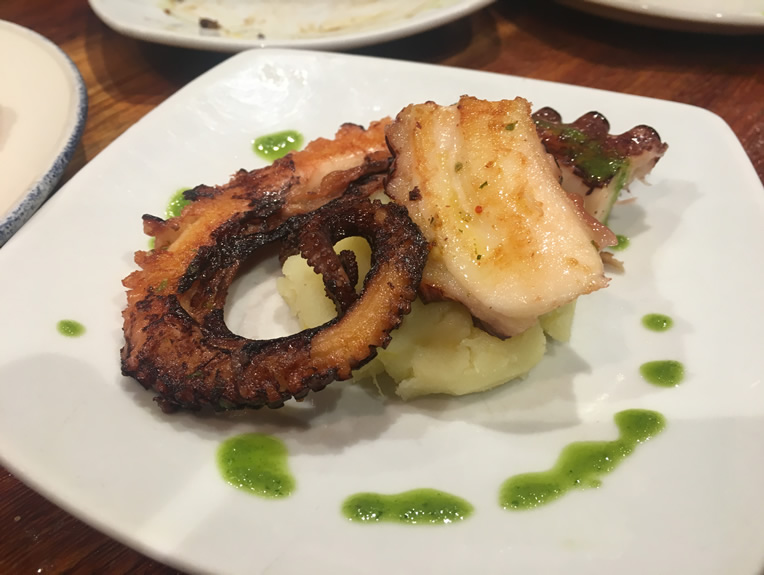
Grilled octopus (Cuchara de San Telmo)
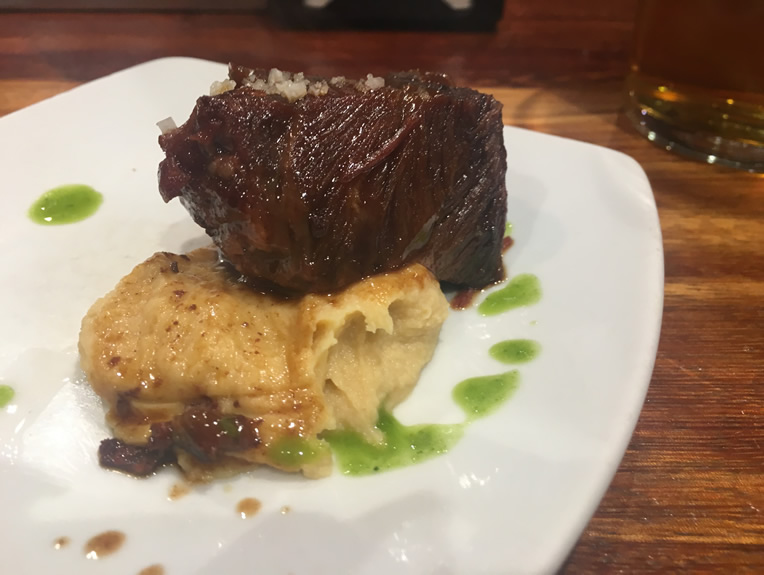
Beef cheeks in red wine (Cuchara de San Telmo)
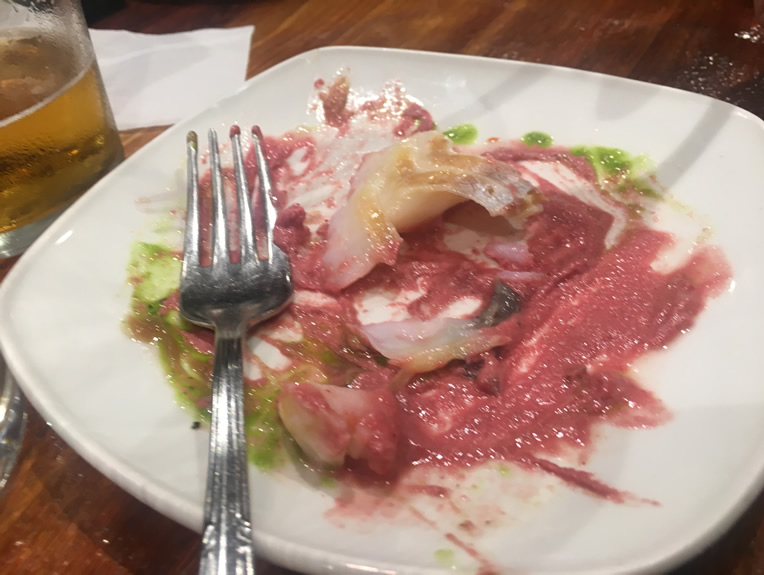
Bacalao (Cuchara de San Telmo)
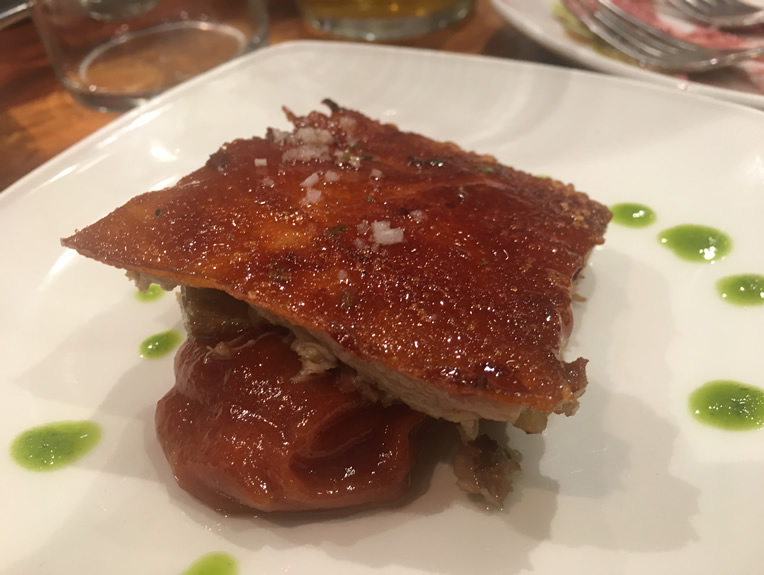
Suckling pig roasted for 6 hours (Cuchara de San Telmo)
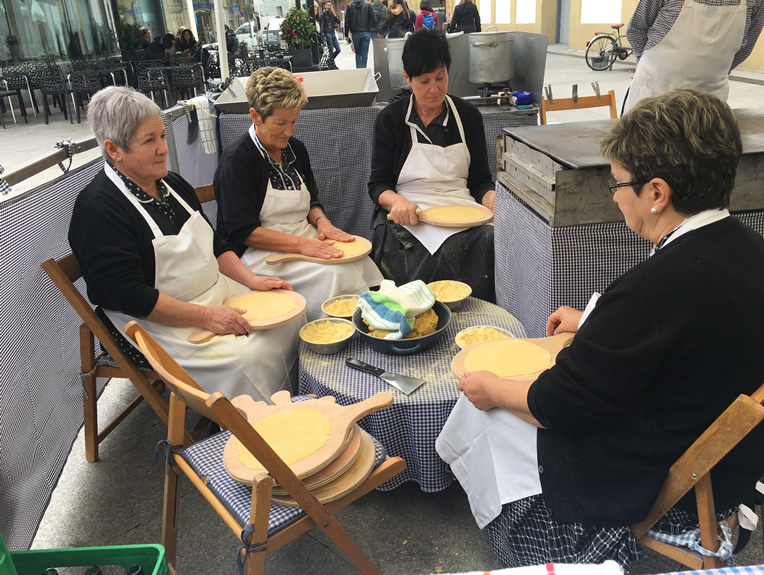
Talos - preparation
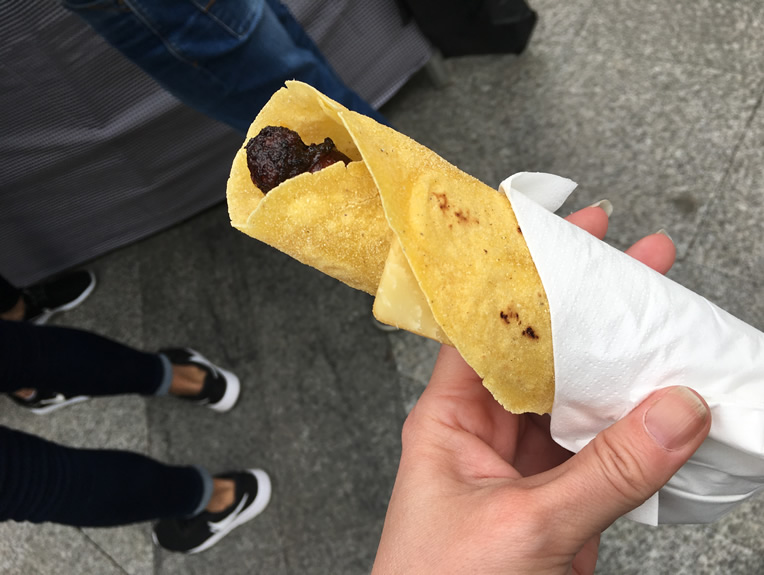
Talo with grilled chorizo
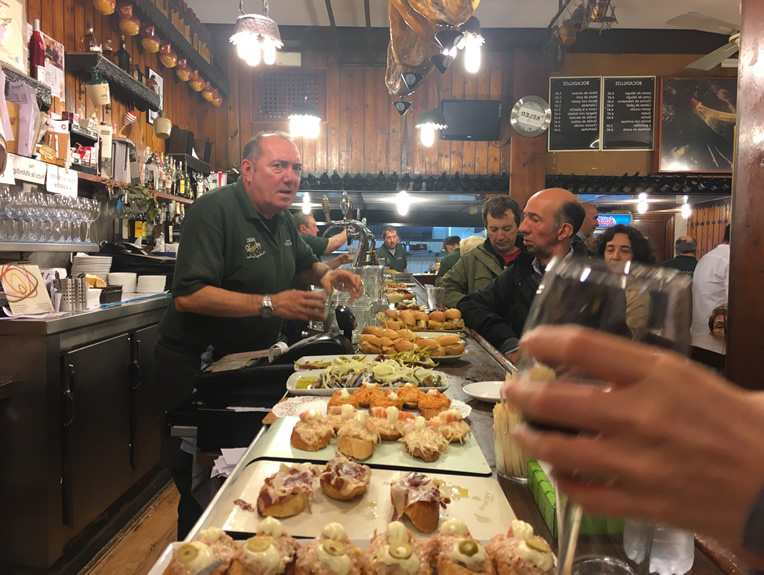
Casa Valles
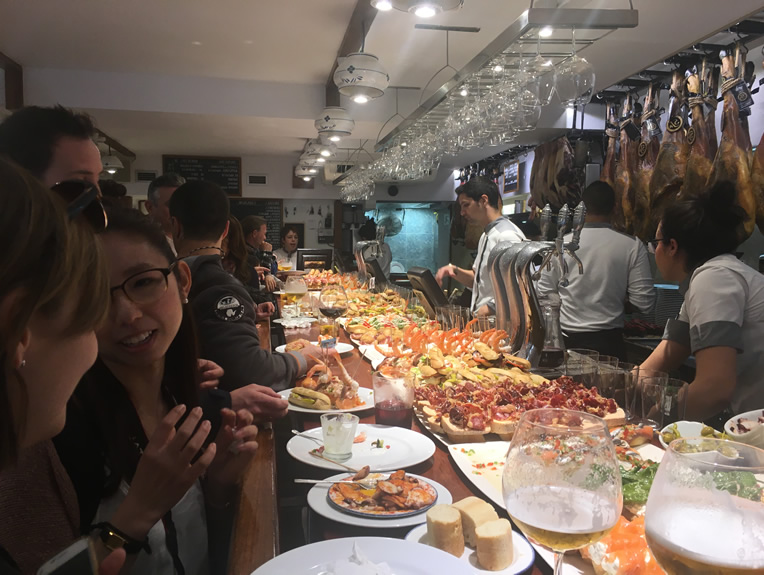
San Sebastian Food Guide
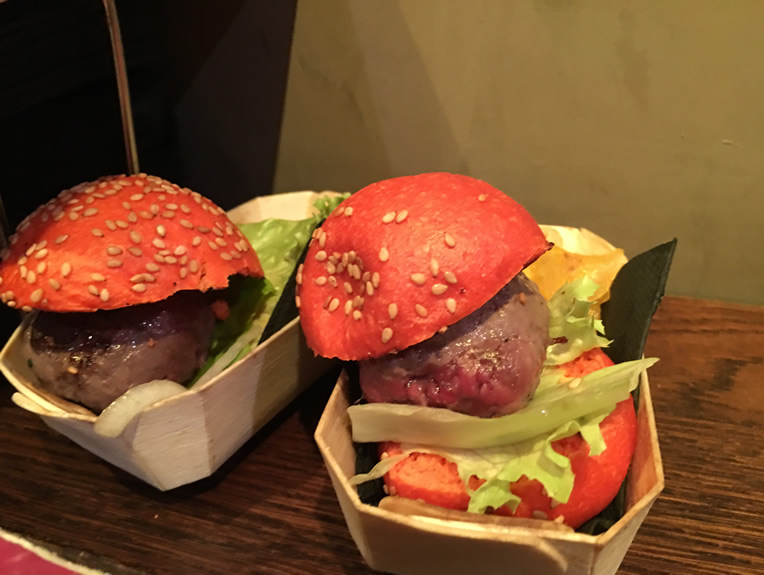
Kobe beef burger
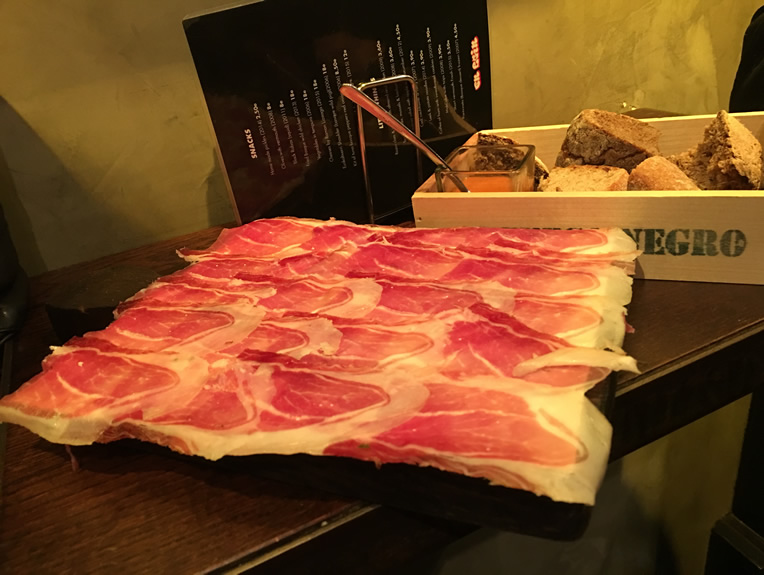
Iberico ham
San Sebastian Food Guide
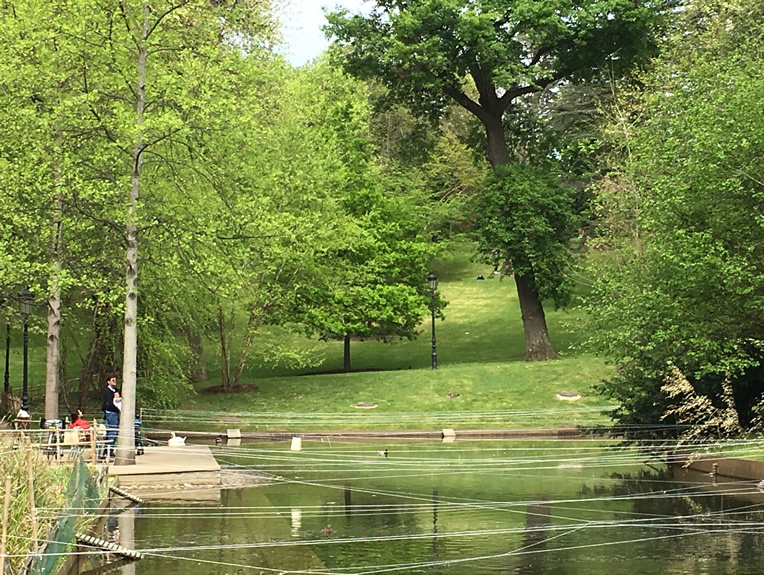
Cristina-Enea Park
San Sebastian Food Guide
San Sebastian Food Guide
San Sebastian Food Guide
San Sebastian Food Guide
San Sebastian Food Guide
San Sebastian Food Guide
San Sebastian Food Guide
San Sebastian Food Guide
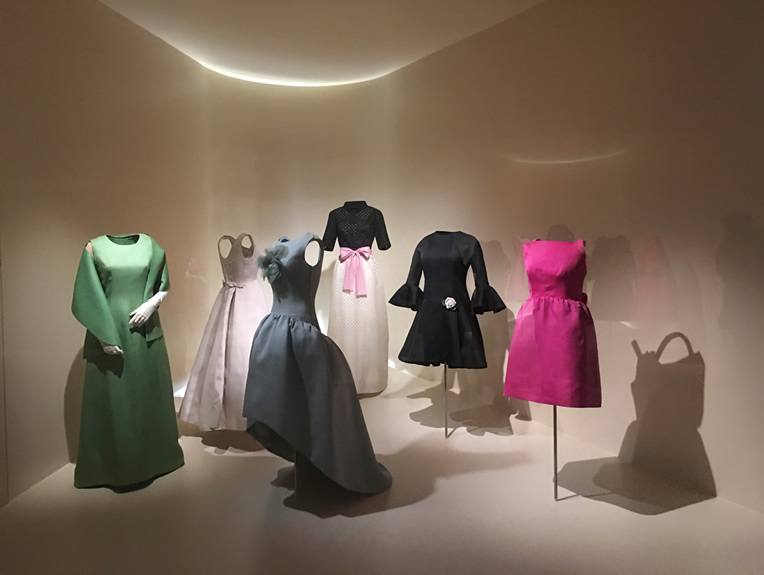
Balenciaga Museum (Getaria)
San Sebastian Food Guide
San Sebastian Food Guide
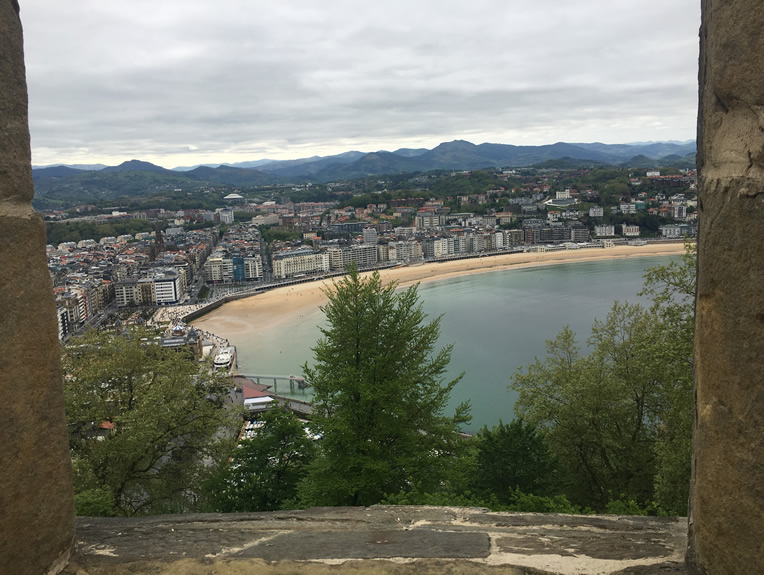
View from Mount Urgull
San Sebastian Food Guide
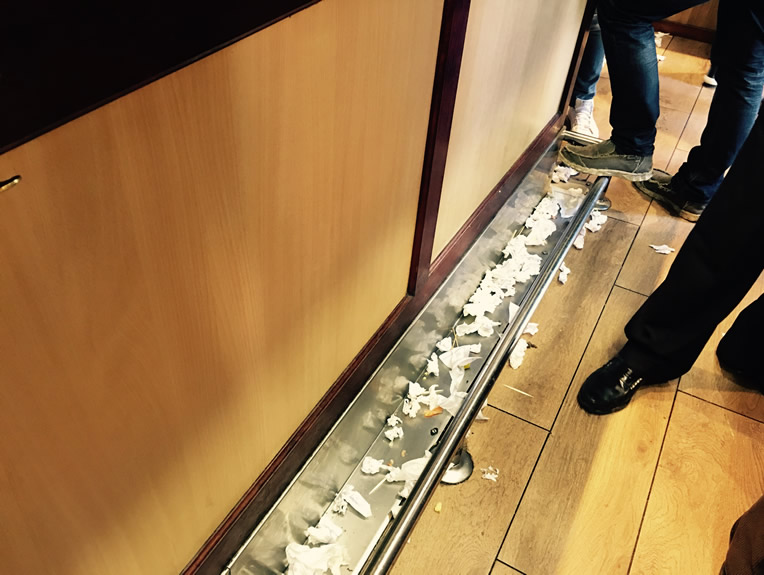
Napkins on the floor
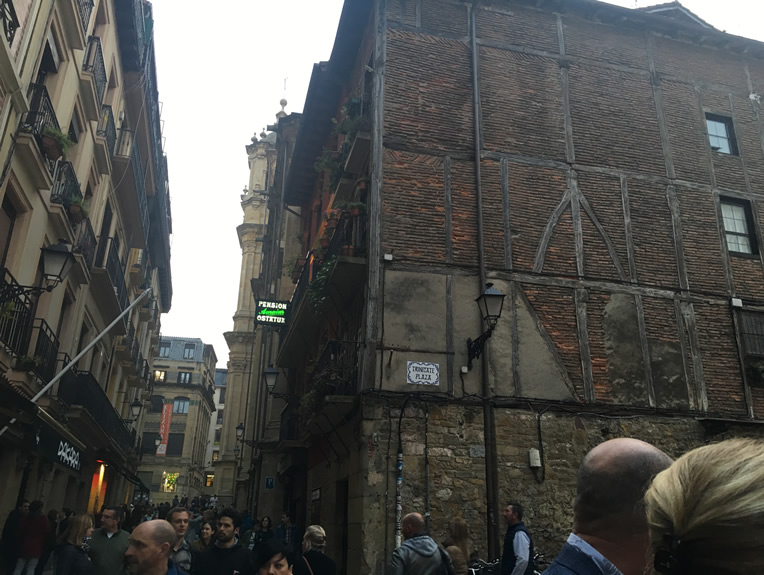
The oldest building in San Sebastian
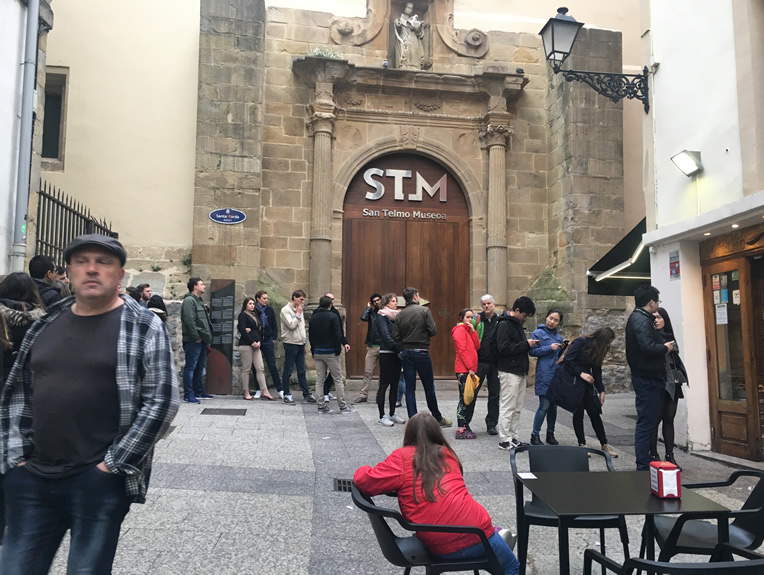
Me, doing what I do best (after the first Asian couple)