How to Choose a Pineapple
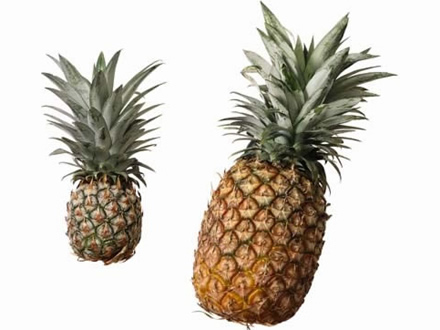
We love pineapple very much, especially raw but I also use it in desserts. In winter we buy about 2 per week, so I've learned to recognize all the signs of a good pineapple. Here are the steps I follow when choosing a pineapple.
- Visual: I start by looking at the color of the pineapple. You can see that the bottom part is more yellow than the top. That yellow stripe must exist, but the higher it goes the riper the pineapple is, so it's sweeter. Choose according to your taste. If you're diabetic, you'll probably prefer a pineapple with a smaller yellow stripe so it doesn't have too much sugar.
Then I look at the leaves - they should be as green and fresh as possible, not very dry.
I check that there's no mold or bruised areas. - Smell: I smell the pineapple, especially the base. There should be a clear smell of fresh, slightly sweet pineapple. If I don't smell anything, I don't buy it. If it smells fermented or moldy, I don't buy it either.
- Touch: I feel the pineapple, especially in the yellow area. It should be firm, only slightly soft under your fingers. If it's very soft, feels juicy, I don't buy it - it's overripe.
- The leaf test: Pull out a leaf from the top, right from the center. If it comes out easily, as if it was just stuck there, the pineapple is ripe.
I put the pineapple in my basket, ensuring a dessert that aids digestion, has anti-inflammatory and detoxifying effects, and fights cellulite. It's ideal to be eaten raw, especially after a "heavy" meal.