


Lemon Marinated Veal Tenderloin
Appetizers Veal Low Calorie Recipes
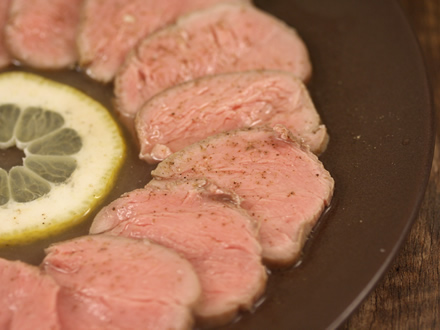
This recipe came about as the result of two experiments: one to cook meat using the "sous-vide" technique and the second to make a lemon-based marinade for delicate veal slices. The ultimate goal was to create an elegant, delicate, and refreshing summer appetizer.
The technique worked flawlessly, even though I improvised on the vacuum part (I don't have a vacuum sealer and didn't go out of my way to get one, because my goal is for anyone to be able to cook this recipe without major investments). Even so, the result exceeded expectations. The meat came out evenly cooked, rare just as I like it. The advantage of this technique is that you can set the internal temperature you want the meat to reach and that's exactly how it will turn out, even if you're a beginner in the kitchen. If I cooked it at 60°C (rare), you can choose medium-rare (65°C) or well-done (70°C).
As for the sauce... until the last moment I didn't know how I would make it or what I would put in it, but it created itself along the way because I knew exactly what I wanted to achieve: a sauce with an intense lemon aroma (I used the zest for that), slightly tangy to be refreshing (I used lemon juice), delicately aromatic (bay leaf and rosemary go wonderfully with veal). The broth and wine were the base for developing all these flavors.
But enough talking, let's get to work!
Ingredients
1 veal tenderloin (about 600 g)
2 tablespoons oil
salt, black pepper
Marinade
120 ml chicken broth (or beef broth)
50 ml dry white wine
1 anchovy fillet
1 bay leaf
1 small sprig rosemary
1 lemon
1 teaspoon olive oil (extra virgin)
How to prepare lemon marinated veal tenderloin
- In a pan that fits the tenderloin, heat the oil well. Sear the tenderloin for 2 minutes on each side and then 30 seconds on the edges.
- Remove the tenderloin from the pan and season with salt and black pepper.
- Place it in a roasting bag (heat-resistant, the kind you use in the oven). Arrange it nicely so it stays straight. Roll the bag tightly. Then roll it tightly in aluminum foil and twist the ends. The goal is to have the tenderloin rolled as tightly as possible to maintain its shape during cooking and also to be well sealed in the bag and foil so no water reaches it.
* If you have a vacuum sealer, use it - that's the ideal case; you won't need to wrap it in aluminum. - In a deep pan that fits the tenderloin, heat water to 60°C (or 65°C for medium-rare; or 70°C for well-done). Place the tenderloin package in the water (it should be covered by water). Cook at 60°C for 2 hours. To keep the water at 60°C, you need a thermometer to check it and keep an eye on it. When the temperature drops, turn on the heat under the pan. The easiest way would be if your oven operates at 60°C. Then you preheat it with the pan of water inside. When it reaches 60°C, put the tenderloin in the water and leave it for 2 hours. Since my oven operates at minimum 150°C, I couldn't use this method, so I used the stovetop and watched the thermometer for 2 hours, turning the tenderloin every 20 minutes (because it floats and I wanted it to cook evenly on the top as well).
- After 2 hours, remove from the water, place on a platter, and refrigerate for at least a few hours (I left it overnight). Keep it refrigerated until you want to serve it.
- The marinade is simply prepared: bring the chicken broth (if it's gelatinous when cold, a sign it's concentrated, add 60 ml water) to a boil with the wine, bay leaf, rosemary, and anchovy fillet. Bring to a boil and simmer for 5 minutes. Remove the rosemary, then add the zested zest from half a lemon and the rest of the zest cut with a vegetable peeler. Cover the pot and let it infuse for 10 minutes.
- Strain the marinade. When cooled, add lemon juice to taste (I used 2 tablespoons juice) and the oil. Mix well and add a little salt if needed.
- Slice the tenderloin into thin slices (with a knife or electric slicer). Arrange the slices on a plate and add some thin lemon slices among them (as decoration). Sprinkle with ground black pepper and coarse salt (fleur de sel if you have it). Pour the marinade over them. Keep refrigerated until serving.
- Serve cold.
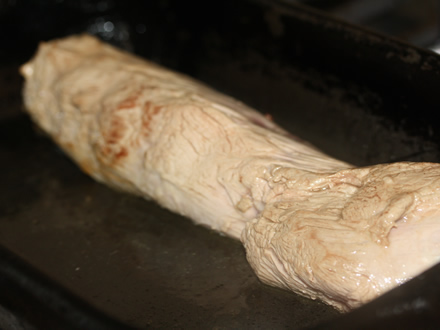
Searing the tenderloin on all sides
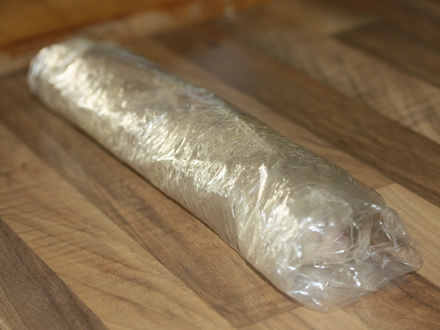
Rolling the tenderloin tightly in the roasting bag
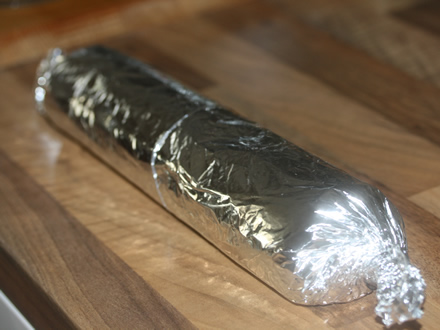
Wrapping the tenderloin in aluminum foil
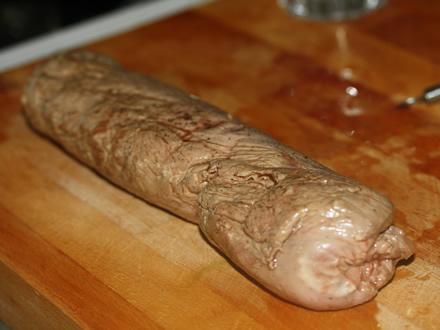
The tenderloin the next day
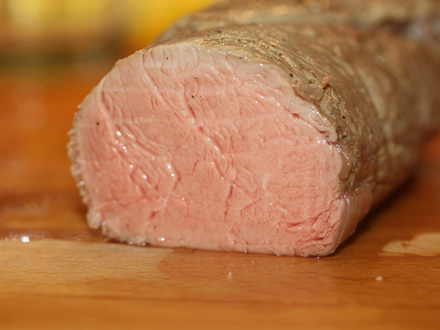
Slicing the tenderloin
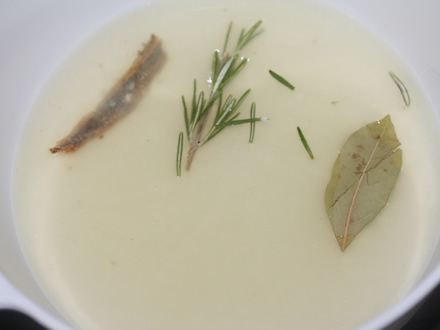
The marinade at the beginning
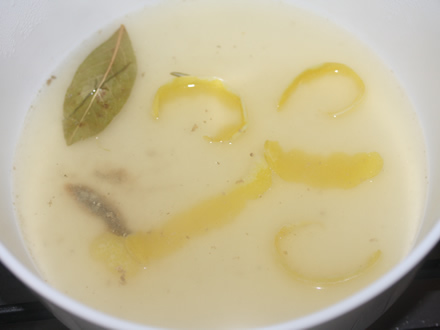
Adding lemon zest and letting it infuse
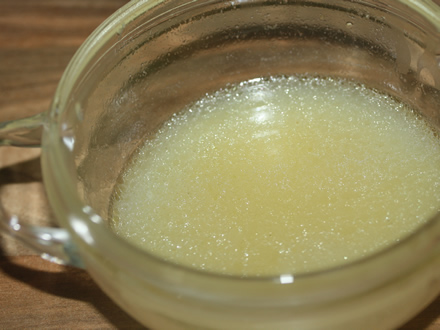
The strained marinade
Related Recipes
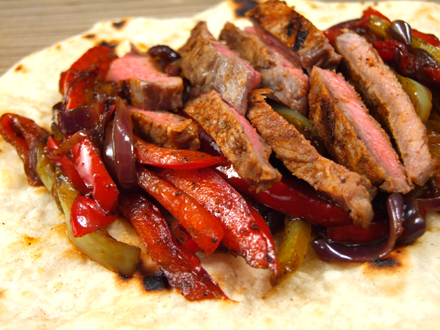
Beef Fajitas
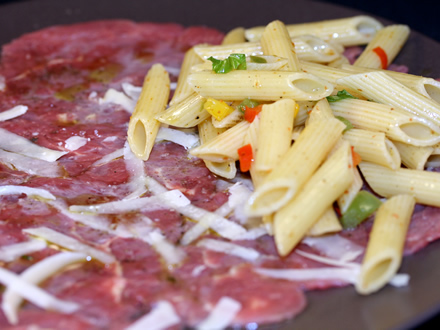
Beef Carpaccio with Pasta
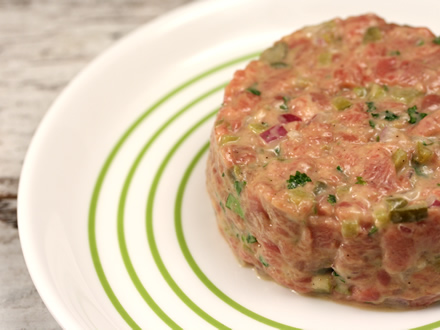
Steak Tartare
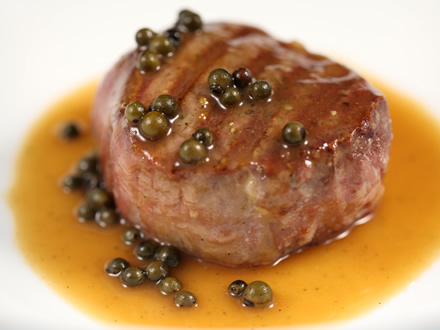
Beef Tenderloin with Green Peppercorn Sauce
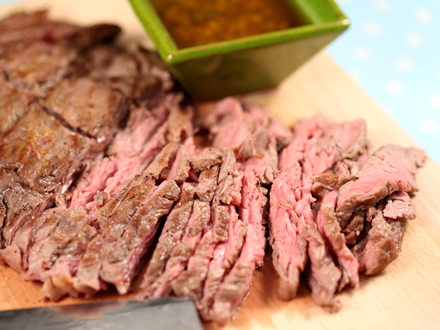
Grilled Bavette Steak with Chimichurri
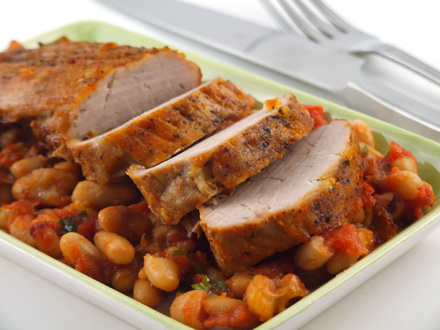
Roast Pork Tenderloin with Beans
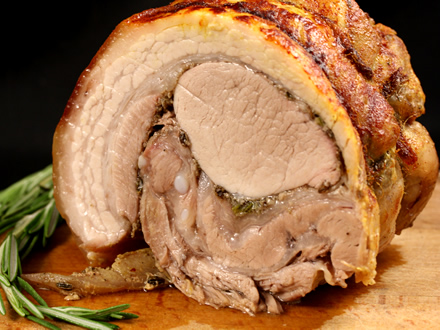
Bag-Roasted Pork
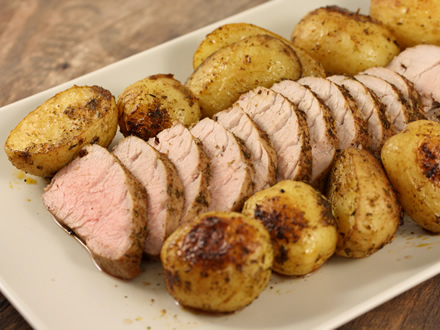
Roast Pork Tenderloin with New Potatoes
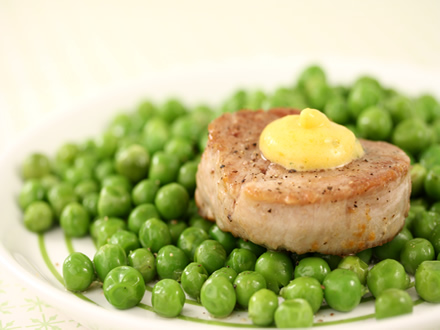
Pork Medallions with Béarnaise Sauce
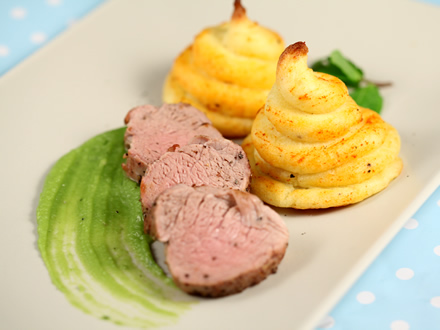
Pork Tenderloin with Pea Puree and Potato Rosettes