


Homemade Egg Noodles
Lacto-Ovo Vegetarian Recipes Eggs Pasta
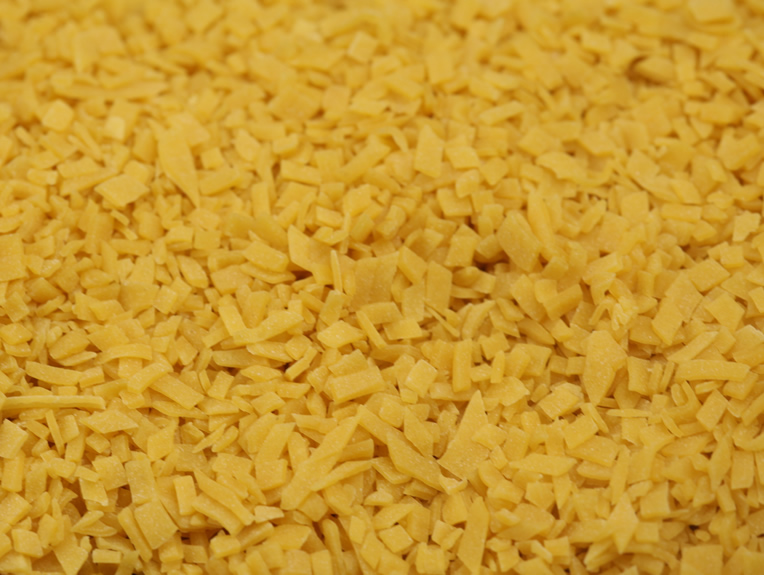
Square noodles, as a high school colleague used to say.
I know the noodle recipe from my mother. She learned it in high school, at the home economics course. It was the first recipe they were taught. The noodles they prepared in class were then sold in town and the money earned was used for various school activities. Nice! I would have loved to learn such useful things in school too!
I promised you yesterday some extra details about egg noodle dough. The rule is simple, you'll remember it easily: 100 g flour to 1 egg and salt. From here you can easily scale up the recipe.
In some recipes I've seen that water is also added (enough to fill 1/2 an eggshell for the 5-egg dough). This addition makes working the dough easier (it's a bit more flexible when kneading and rolling), but it's also stickier and that's why you may need flour when shaping and cutting, which I don't like, I feel it weighs down the noodles. That's also why I only use flour when I start rolling out the dough on the work surface. The biggest advantage if you don't add water is that the noodles last a long time, up to 6 months.
And if you dry the sheets properly (they should feel dry when you touch them, but you should be able to roll them without breaking), you don't need flour for cutting/final drying either. Following these simple rules, my noodles turn out best.
Ingredients
500 g all-purpose flour (BL55)
5 eggs (preferably farm eggs for a wonderful color)
1 teaspoon salt
Yield: 500 g
How to prepare homemade egg noodles
- In a wide bowl, beat the eggs well with salt. Add the flour and mix by hand until the flour is absorbed by the eggs. The dough will be crumbly now, but that's okay, don't add extra eggs or water.
- Start kneading the dough until it comes together into a ball (about 3-4 minutes). At this point you can continue kneading the dough by hand (directly on the work surface, about 15 minutes), with a stand mixer (about 5 minutes), or in a bread machine (on the kneading/pasta program). If you choose to knead it with a mixer or machine, at the end knead it by hand for another 2-3 minutes on the work surface, the warmth of your hands helps. The dough is firm and requires strength for manual kneading.
- When the dough is ready, cut it into 4 equal pieces.
- To roll out the sheets, use a thin and long rolling pin. Sprinkle the work surface with a little flour. Take each piece of dough and roll it into a thin sheet. The sheet is hard to roll, at first it's so elastic that it seems everything you roll out springs back... but persist... roll the dough completely on the rolling pin and press firmly rolling on the table. Continue until you have thin sheets through which you can clearly see the towel pattern.
- Spread clean towels or tablecloths. Roll the sheet on the rolling pin and unroll it on the towels.
- Let the sheets dry. How long depends on the temperature and humidity in your home (in summer it takes only 20-30 minutes, in winter it can take 1-2 hours). When the sheets feel slightly dry on top, turn them to dry on the other side too. When they're dry but still pliable, roll the sheets as shown in photo 10. Cut the rolls in two. Starting from the cut area, slice the roll into thin slices (the thinner you cut, the smaller the noodles will be; in our family noodles are made super small). Gather the slices and then cut them perpendicular (for square noodles) or diagonally (for diamond-shaped noodles).
- Spread the noodles on towels. Let them continue to dry for 1-2 days (until they become brittle). Store in paper bags, in a cool place, for up to 6 months. The noodles can also be used immediately after preparation, cooking time is maximum 5 minutes. If dried, they will cook in about 10 minutes.
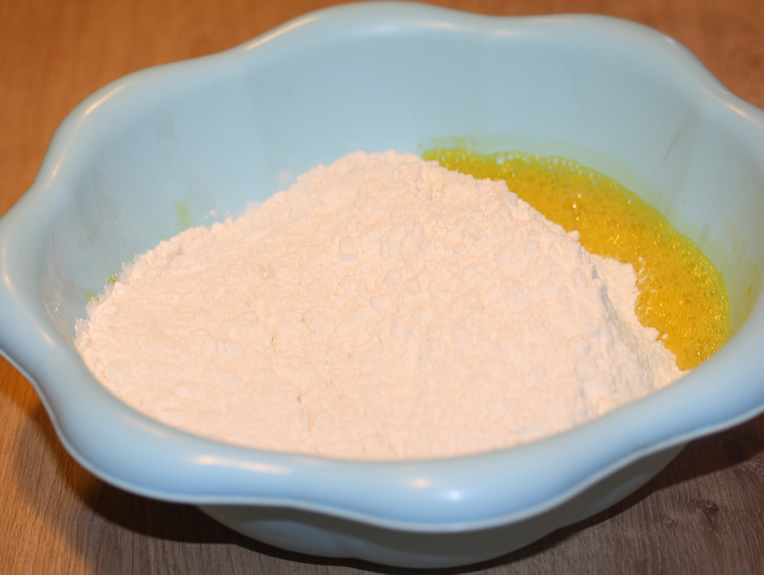
Adding flour over the eggs beaten with salt
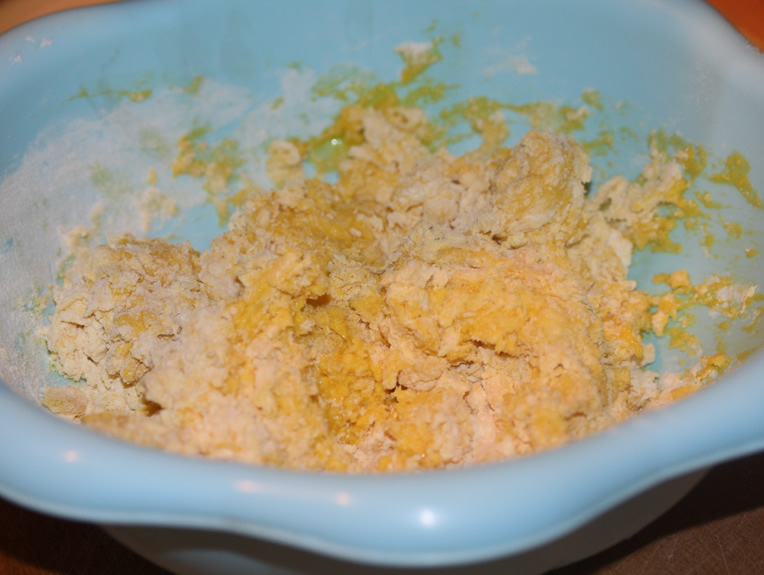
Mix by hand until the flour disappears into the eggs (the dough still looks dry)
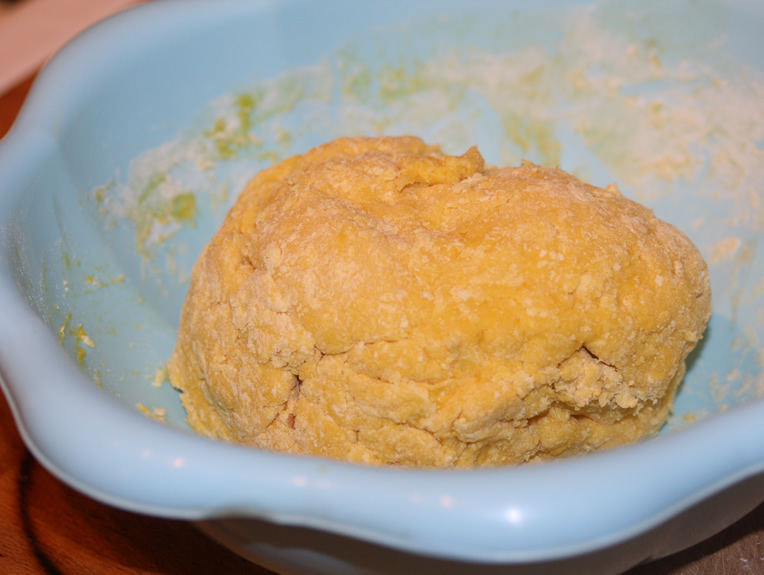
Knead by hand until the dough comes together into a ball
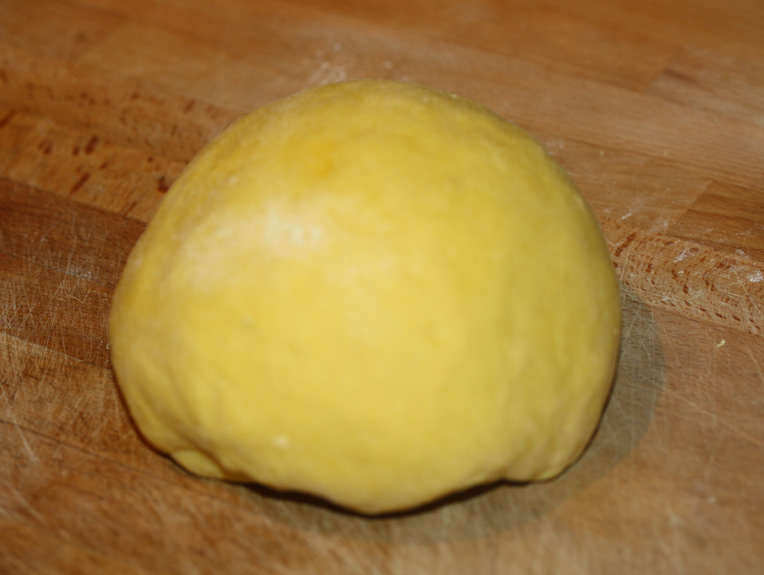
Continue kneading until the dough is smooth
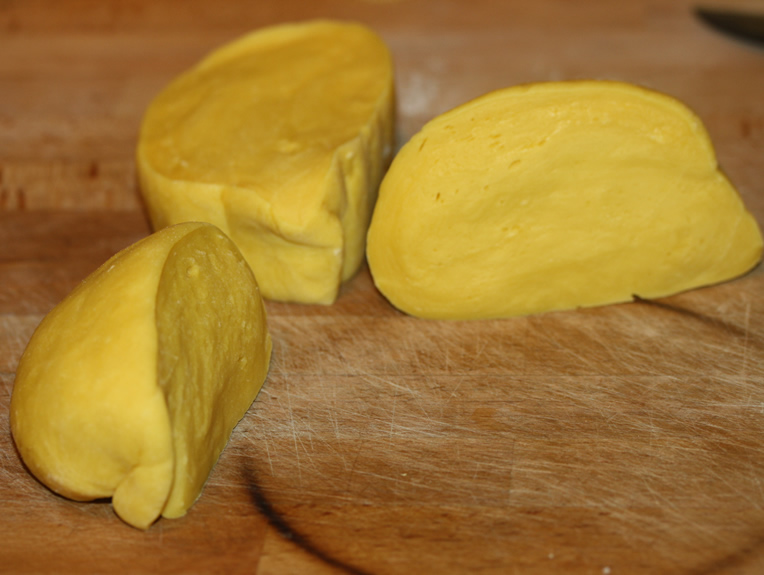
Cut into 4 pieces
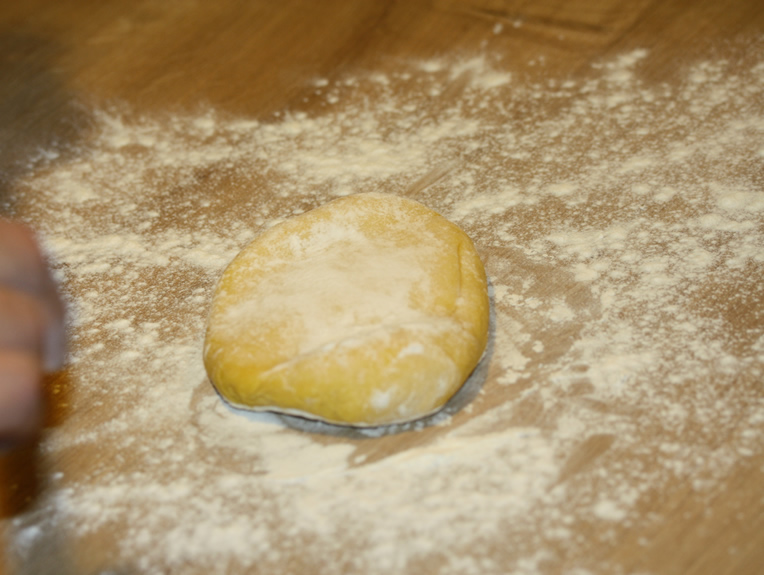
Place each piece on a floured surface
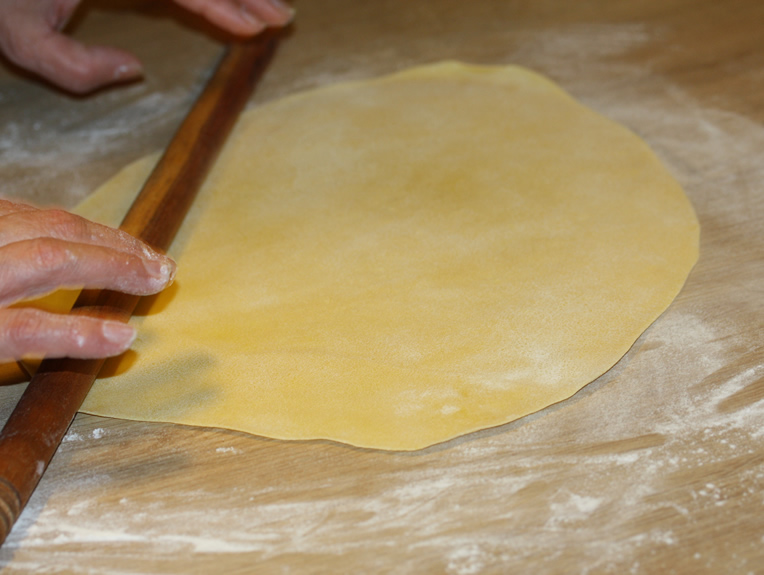
Roll thin with a rolling pin
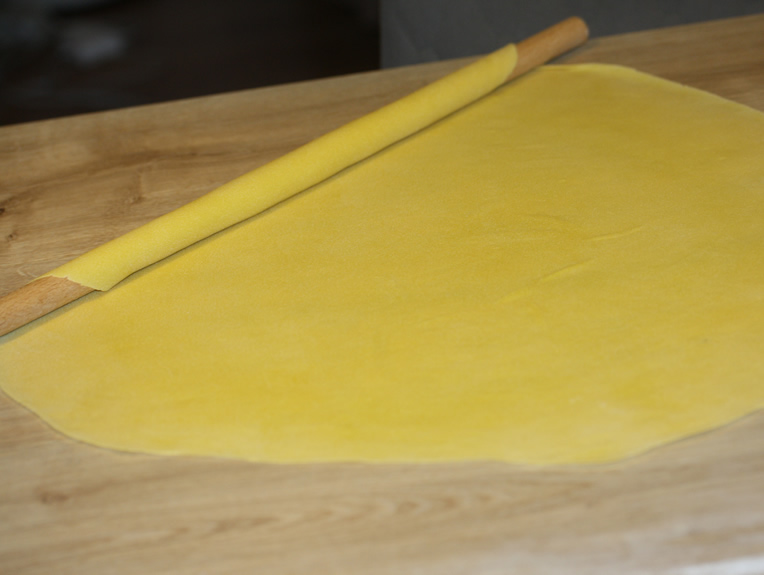
Until you have a thin sheet through which you can clearly see the pattern of a towel
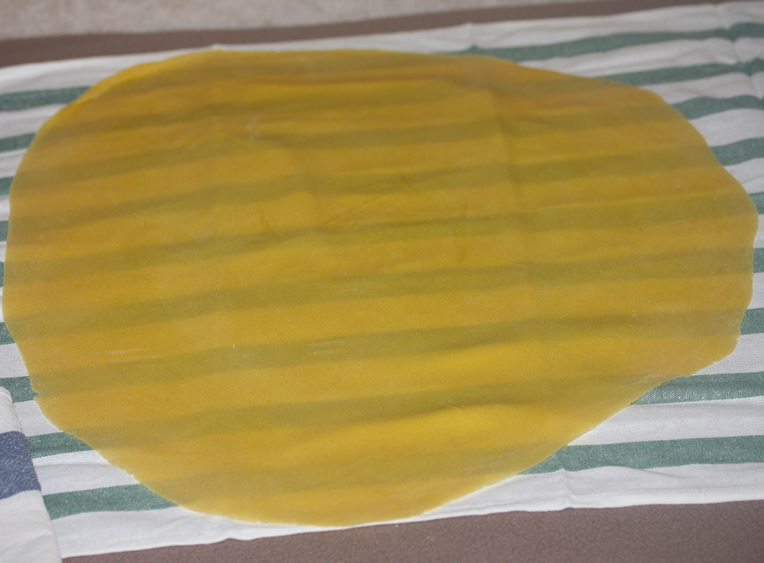
Lay the sheets on clean towels to dry
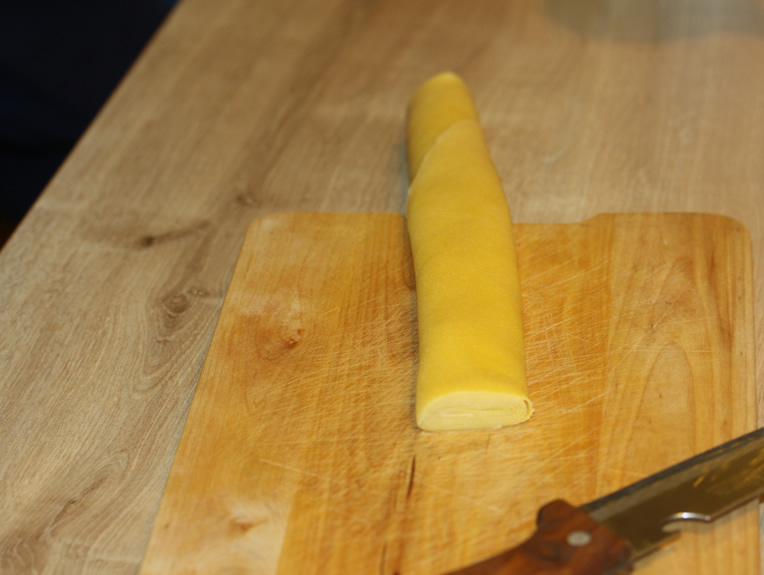
Roll up the sheet and cut in half
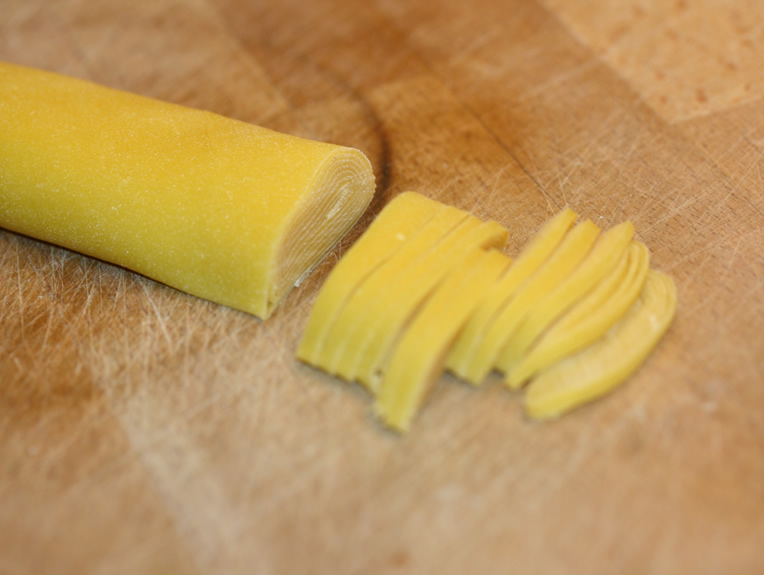
Cut thin slices from each piece
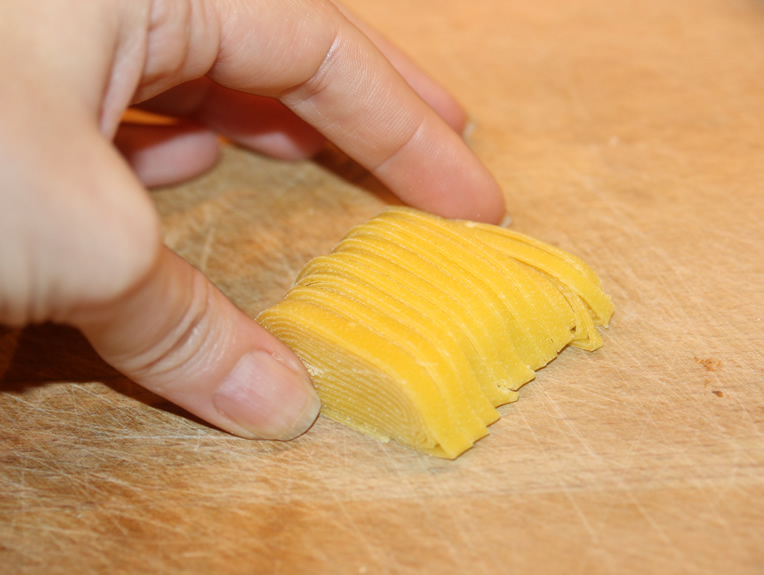
Gather the pieces together compactly...
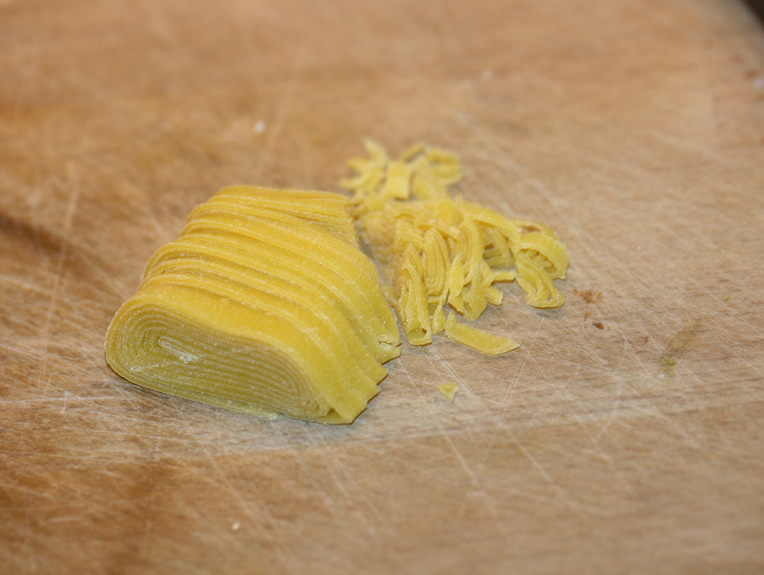
...and cut either diagonally (for diamond-shaped noodles)
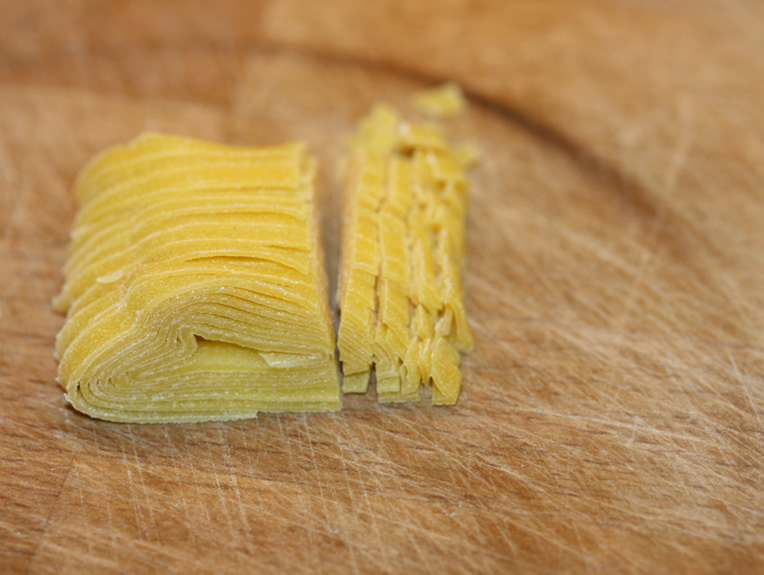
...or perpendicular (for square noodles)
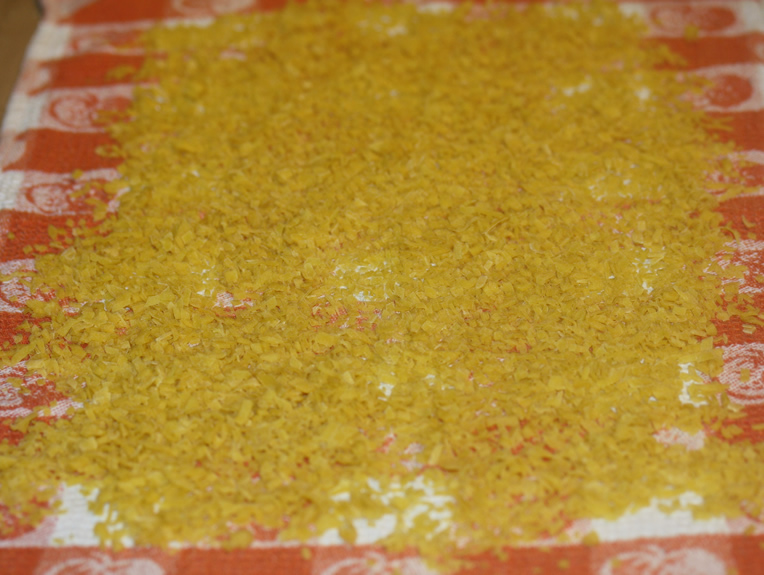
Spread on a towel and let dry
Related Recipes
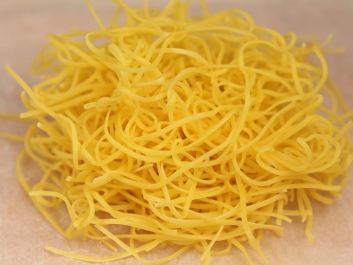
Vermicelli

Lecsó with Egg Noodles
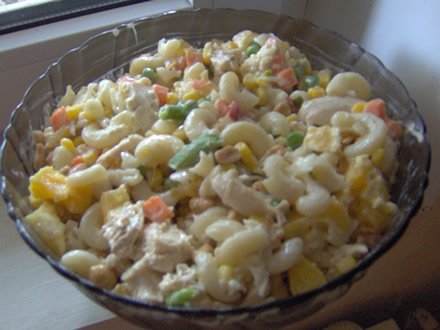
Pasta Salad with Chicken Breast and Oranges
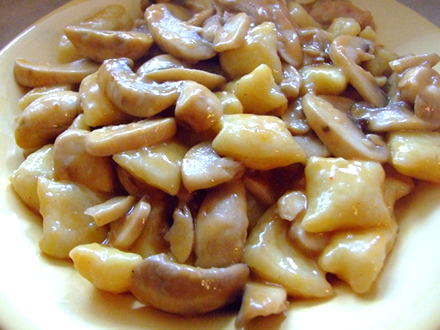
Potato Gnocchi
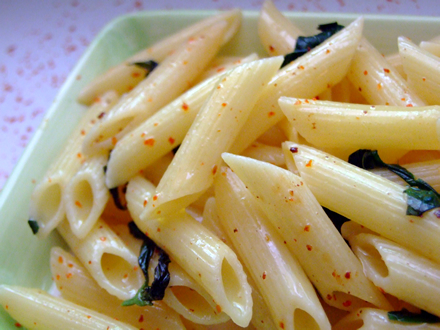
Pasta with Olive Oil, Garlic and Chili
Pasta with Eggplant Sauce
Romanian Macaroni and Cheese
Sweet Noodles with Walnuts and Poppy Seeds
Gnocchi with Tomato Sauce and Mozzarella
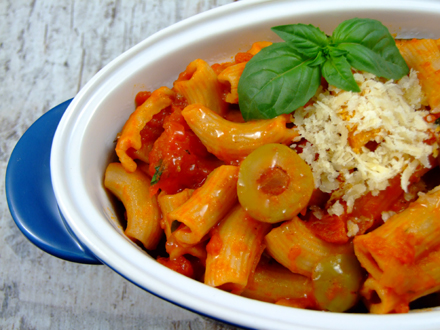
Pasta with Spicy Tomato Sauce