


How to Choose and Store Green Asparagus
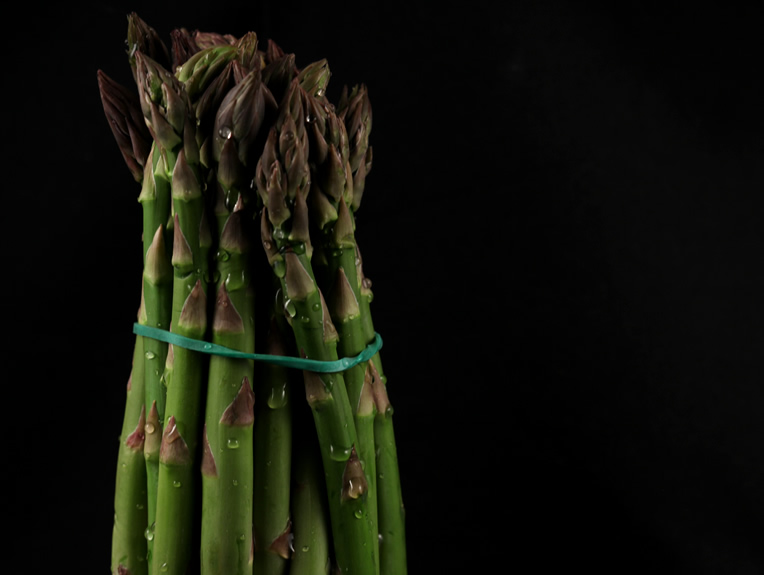
Be picky when choosing asparagus. It's too expensive for compromises. A kg of green asparagus starts at 45 lei. And it's not just about money. Well chosen, asparagus has a very good taste. Those who haven't tasted it yet can imagine it's somewhat like green beans, but more succulent. However, if it's bitter or fibrous, it means it wasn't fresh.
In May and June we can best enjoy asparagus, as it's in season. Maybe you buy it because you're curious or because you've heard how good and healthy it is (it contains vitamins A, E, K, B6, folic acid) or because it's a side dish that goes with almost anything. So here's what you need to know before buying asparagus.
- Look at the color: it should be a healthy, fresh green (can be darker or lighter green). If it has discolored, yellowish areas, it's already dried out.
- Look at the tips: they should be either fresh green (slightly darker than the rest of the stalk) or purple. They should be tightly compact around the stalk (closed like a bud). If they're dry, yellowish, moldy, or spread away from the stalk, it means the asparagus is old. Under no circumstances buy this one. The tips are the tastiest and most tender parts, and if they're already compromised, even the best cooking techniques won't save it.
- Look at the area where the asparagus was cut: the cut should be as fresh as possible, possibly slightly dry on the surface but not cracked (that's a sign of dehydration). Also check that the fibrous part isn't too large - you'll lose a lot when you trim them and find you paid for 500 grams but only use 250g 😢 Generally thicker asparagus has such fibrous parts, it doesn't mean it's not fresh, but check how large the area is. If it's very large, it means the asparagus is older, so it may also be tougher.
- Pick up the bundle and squeeze it - you should hear the asparagus stalks squeak when they rub against each other. That squeaking sound is a sign of freshness.
- Bend a stalk of asparagus from the bundle: it should be flexible, but at some point it will snap with a pop (just like when you check if green bean pods are young and without strings).
- Thickness: the thickness doesn't matter much when choosing. A thick asparagus can be even tastier than a thin one, but watch for the signs above and pay attention to the fibrous part. Choose thickness based on how you want to cook it:
- for grilling, young and thin asparagus is more suitable as it cooks faster;
- for roasting, thicker asparagus is suitable; choose oven cooking when you want to prepare a larger quantity, it's more practical;
- if you want to add it to salads or pasta, thin asparagus looks better 😊
- for cream soup, thick is more than ok, you'll get maximum flavor from it - How to store asparagus: cut about 1 cm from the ends (as if trimming flowers before putting them in a vase); place the asparagus in a jar or wide glass; add water just enough that all stalks reach the water; put a plastic bag over it; it lasts about 4 days in the refrigerator; during this time, change the water if it becomes cloudy.
- How to clean asparagus before cooking: just break or cut the fibrous parts from the cut end (the ones I mentioned in point 3), then wash and dry well.
How to remove the fibrous part: take the asparagus stalk and hold it at both ends, then slowly start bending it; where it breaks (snaps) naturally, that's where the fibrous part is; even if it seems like you're wasting a lot, don't try to cook that part, it's unpleasant. Actually, you can try once to see the difference from the tender tips - that's how you learn best, through experience 😉.
Enjoy your greens!
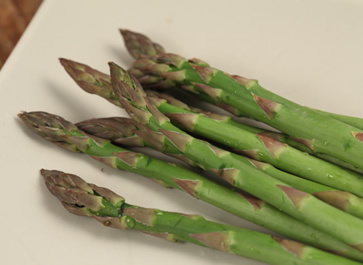
Beautiful color, compact tips
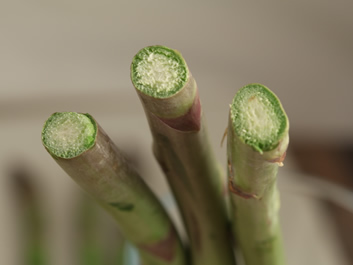
Fairly fresh cut
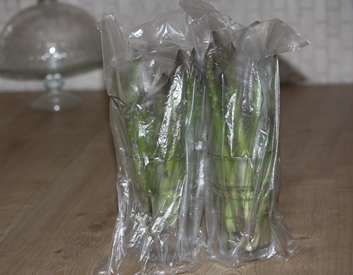
Store like this in the refrigerator
Related Recipes
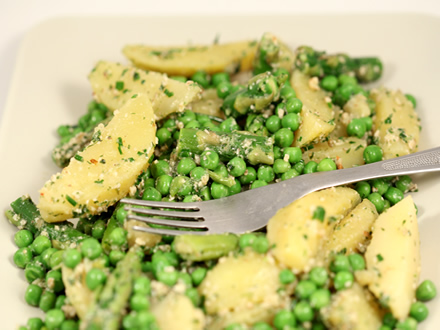
Pea, Potato and Asparagus Salad with Mint Walnut Dressing
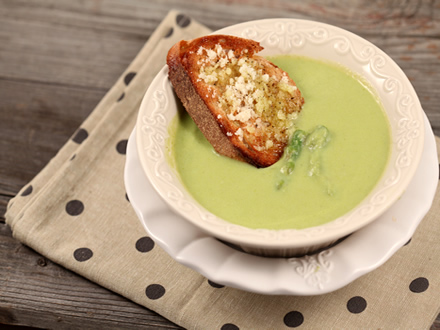
Cream of Asparagus Soup
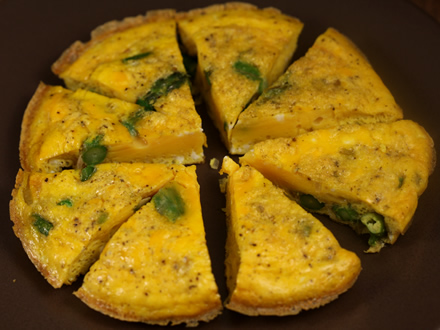
Asparagus Frittata
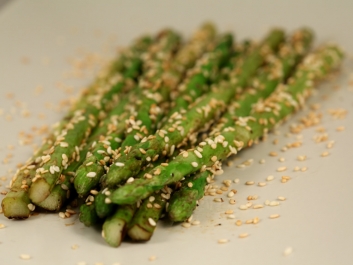
Grilled Asparagus with Sesame
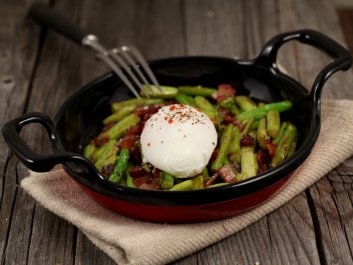
Sautéed Asparagus with Pancetta and Poached Egg
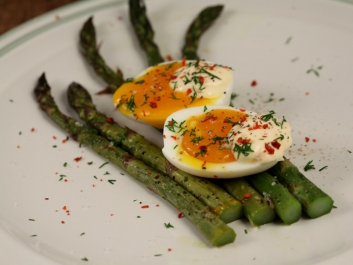
Roasted Asparagus with Soft-Boiled Eggs
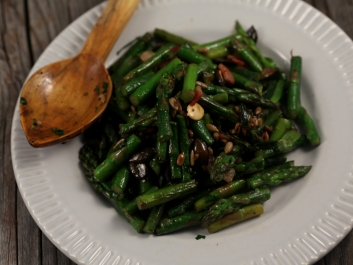
Asparagus with Bacon, Green Onions and Seeds
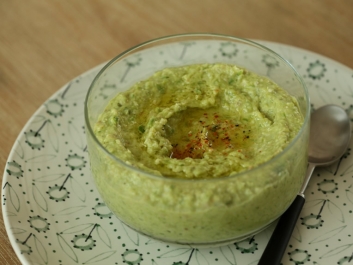
Asparagus Pesto
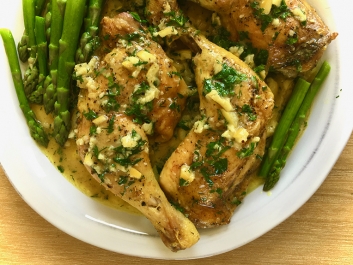
Chicken with Roasted Lemon Sauce and Asparagus
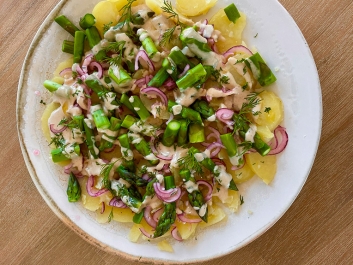
Asparagus Salad with Tonnato Sauce