Dried Mint
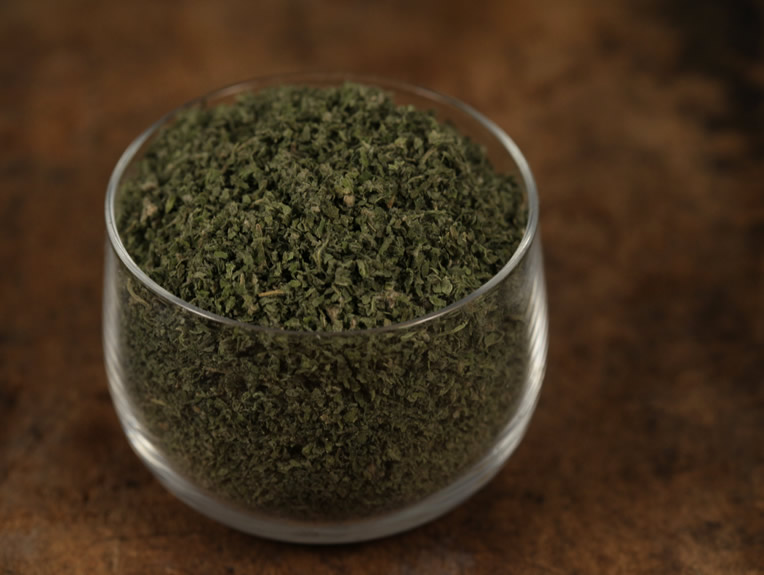
Is it worth using dried herbs? In most cases, not really - I prefer the fresh version. However, there are some herbs that, although they have a different aroma when dried, are still pleasant. I'm thinking of oregano, thyme, dill, marjoram, bay leaves, mint. It's practical to always have these on hand.
Obviously, the dried version can't be used as an absolute substitute for fresh. But in marinades, dried mint is very suitable. Or in winter when you make a lentil soup with mint-flavored croutons, dried is more convenient. It's useful for the aromatic oil that garnishes many Turkish dishes or as an addition to my already well-known Turkish seasoning. When using it in dressings or marinades, rub it between your palms as you sprinkle it, even if it's already ground. The warmth of your hands will help release the aroma. Or how wonderful is a winter cup of mint tea with French toast?
Let's dry some mint!
Ingredients
fresh mint
How to prepare dried mint
- Wash the mint and dry completely. Remove the leaves from the stems.
- Spread the leaves on a surface (it can be a small table on the balcony or baking trays) lined with a clean tablecloth or parchment paper. Spread them out so they don't overlap.
- Place in a warm, airy spot (in my case, an enclosed balcony with curtains drawn), but away from direct sunlight to preserve the color.
- Leave for several days until the leaves are brittle (they crumble easily if you crush them between your fingers). How many days depends on how warm it is, air humidity, and how crowded the leaves are. Generally, 3-5 days should be enough.
- The leaves can be stored whole in jars or cloth bags, or ground in a food processor/coffee grinder until they become powder. After grinding, I sift them through a fine sieve.
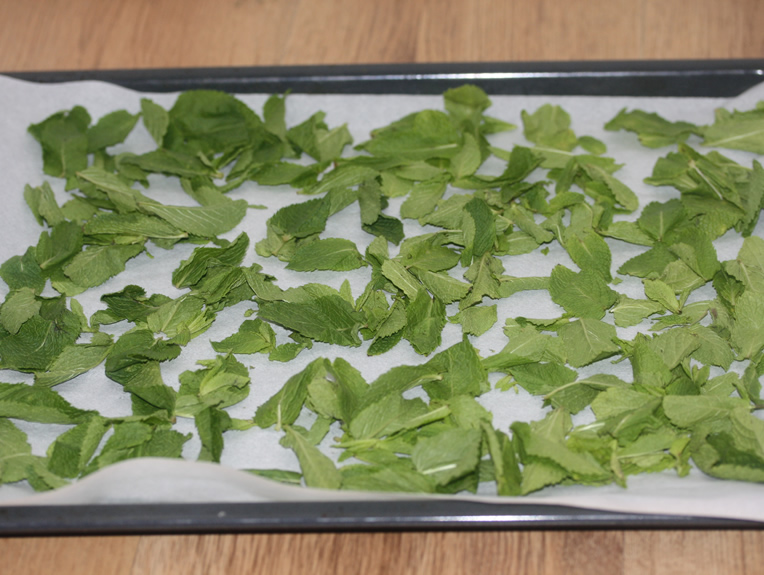
Mint leaves spread out to dry
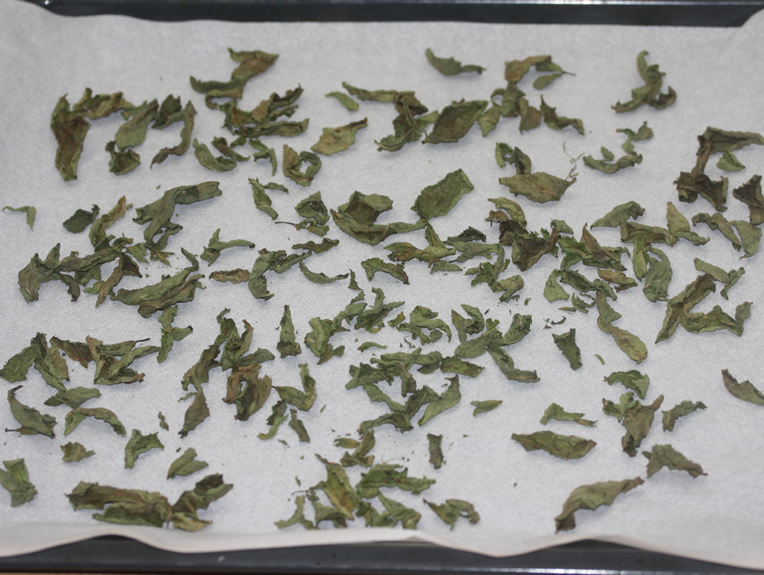
Dried Mint