How to Hard Boil Eggs and Peel Them Easily
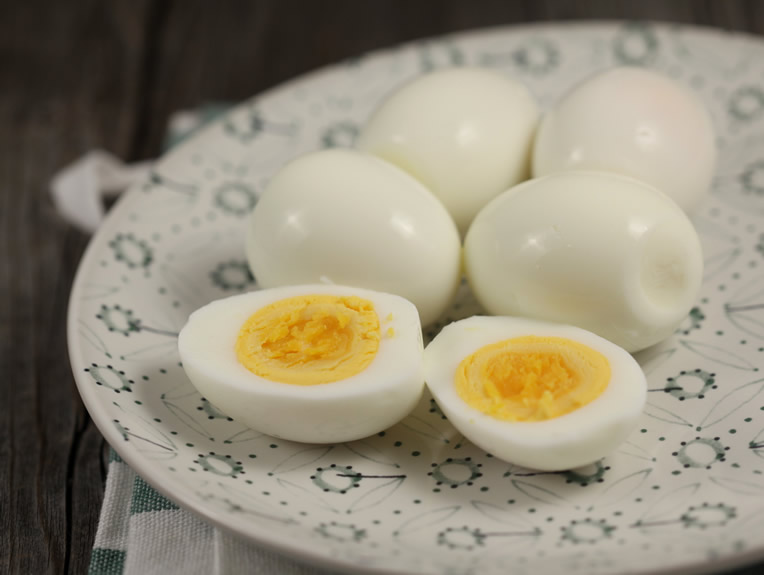
Peeling hard-boiled eggs has always been torture for me. It's known that the fresher the eggs, the harder they are to peel. And honestly, the solution of keeping them for 2 weeks just to be able to peel them properly doesn't suit me at all - it doesn't seem practical.
Someone on the site gave me the tip to put them in cold water, slightly cracked. However, my problem wasn't quite solved then, because I would put them in cold water, leave them there, the water would warm up and even then they didn't peel well every time. The whole trick is to leave them in ice-cold water until they cool completely. So thermal shock first and then complete cooling - that's my technique now. I've been doing this for over a year and the success rate has increased significantly. This isn't a foolproof method either - one out of 20 eggs will surely be stubborn and hard to peel, but I can enjoy the fact that the rest look nice, and for deviled eggs that's a blessing. This technique works for hard-boiled eggs as well as softer ones. What you see in the photos are farm eggs, no more than 1 week old. I haven't tried with eggs just taken from under the hen...
I don't know exactly what the scientific explanation is. But I assume it has to do with the steam that forms under the shell during boiling. With cold thermal shock, it quickly becomes water and probably then something happens under the shell (expansion-contraction) that helps the egg white membrane peel away from the shell, making peeling easier.
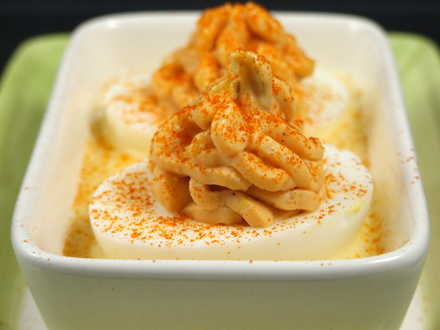
Since Easter is approaching, it might be useful to know how to hard boil eggs (for dyeing or deviled eggs), without them becoming rubbery or even worse with that greenish-bluish ring around them (that's a sign they've been boiled too long) and with a sulfurous taste.
eggs
salt
- Put the eggs to boil cold, directly from the refrigerator - this is how the boiling time is measured.
- In a pot (where the eggs fit in a single layer, not crowded) bring plenty of water to a boil (enough to cover the eggs by a few cm). Add salt to the water. The salt prevents the white from spreading in the pot if an egg happens to crack.
- When the water is boiling vigorously, turn the heat to low. With a slotted spoon, lower the cold eggs into the boiling water. Set them gently on the bottom of the pot. This way they won't crack.
- Let the eggs cook over low heat (the water should just gently simmer, you should only see small bubbles rising to the surface; so be careful, under no circumstances let the water boil!!!) for 12-13 minutes.
- Prepare a bowl with ice-cold water (as cold as it comes from the tap). With the slotted spoon, remove the eggs from the hot water and put them directly in the bowl of cold water. Run water over the eggs so the water doesn't warm up. Let the eggs cool completely in cold water (at least 15 minutes).
- Crack the egg shells by tapping them all around on the counter. Now, cracked like this, you can leave them another 5 minutes in the water. It's not mandatory, but it helps if the eggs are super fresh (a few days old).
- Then gently roll them on the counter - you'll hear the shell cracking everywhere. Peel the eggs starting from the fat end. If you manage to catch the membrane under the shell and use it to help, even better - the shell will come off in larger pieces, so faster.
- Rinse the peeled eggs under running water to remove the small shell bits that stuck to the white.
- Boiled eggs are best the same day (the white is more silky, when cold it becomes slightly rubbery), but they last up to 2 days in the refrigerator. Hard-boiled eggs still in the shell last 1 week in the refrigerator.
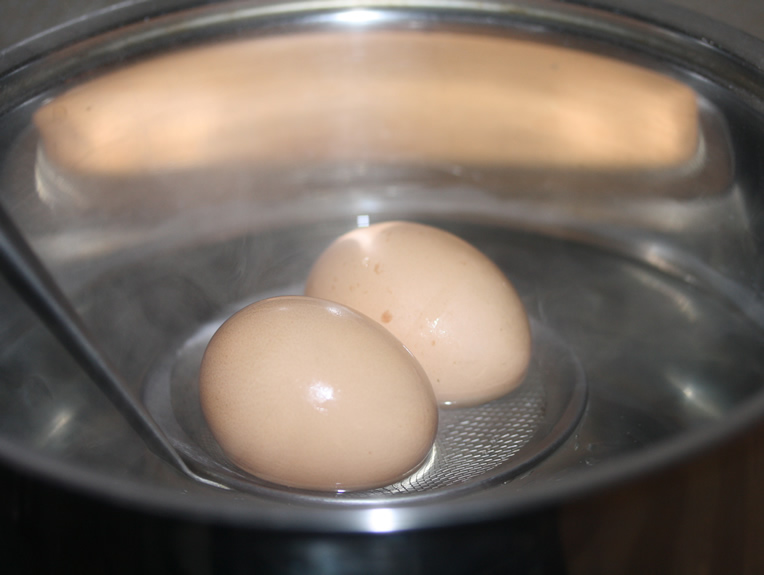
Lowering eggs into boiling water with a slotted spoon
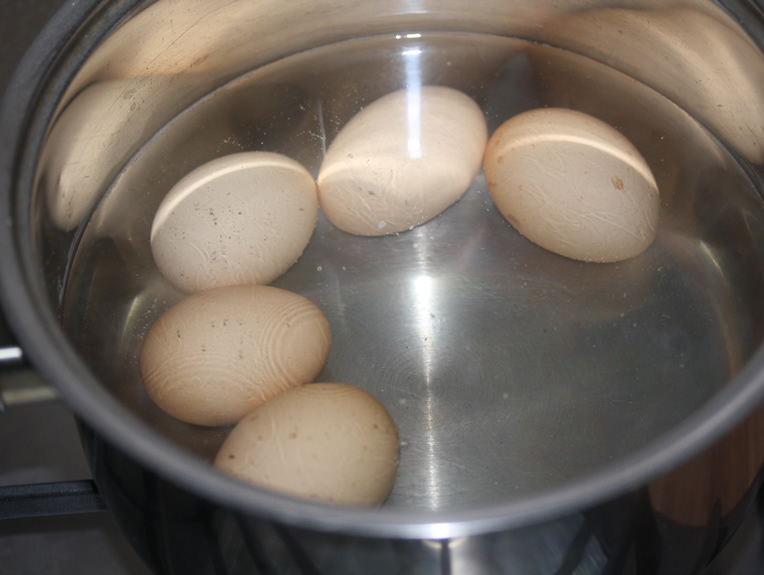
Eggs simmering over low heat for 12 minutes
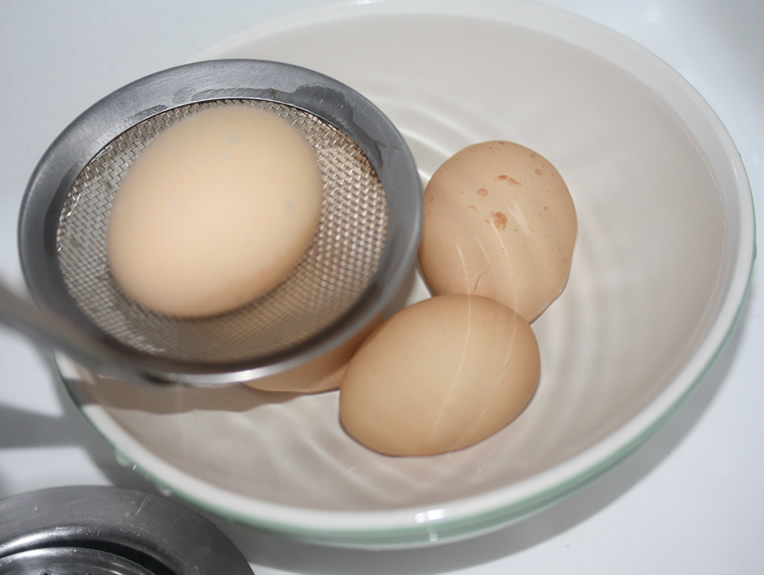
Transferring to cold water
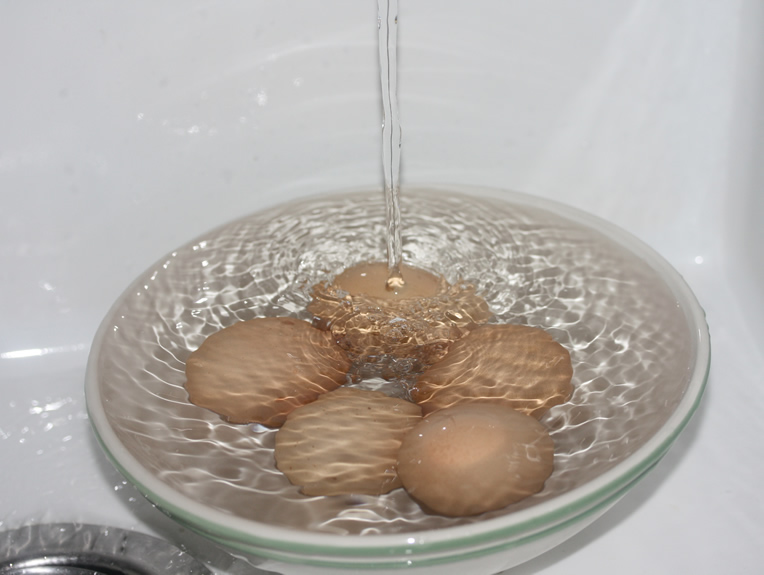
Cooling the water as many times as needed
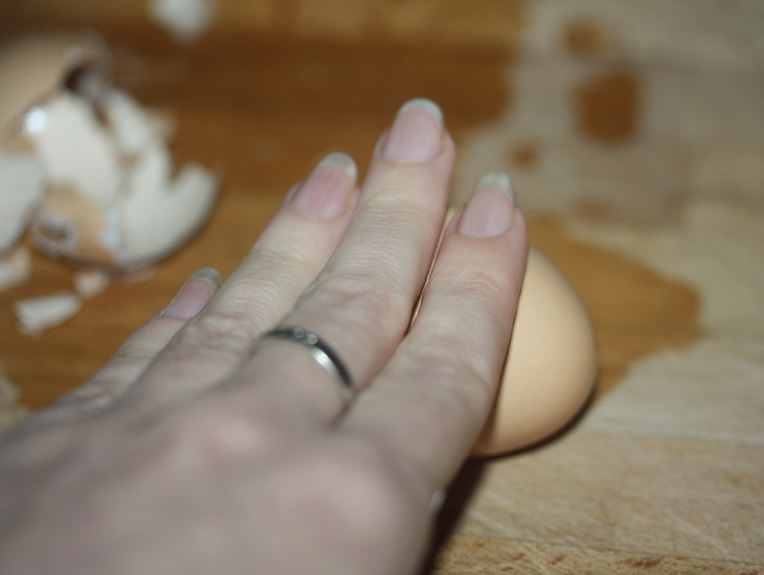
Gently rolling the egg on the counter
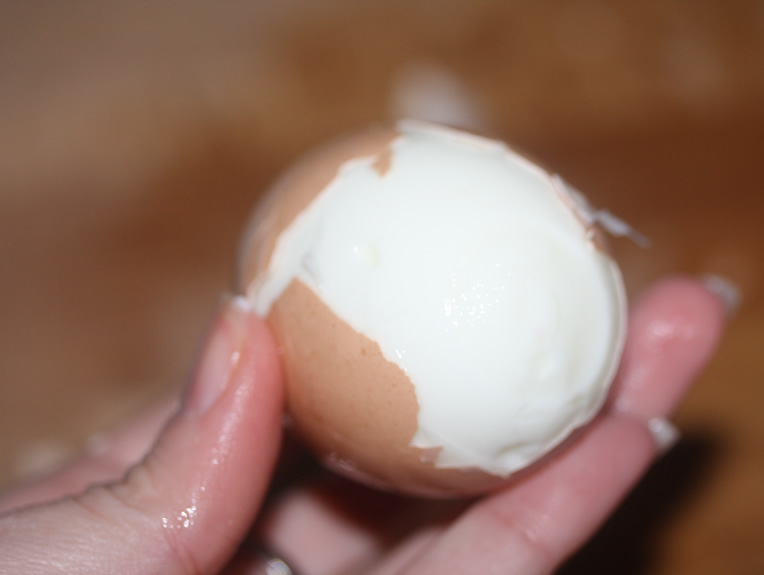
Peeling from the fat end
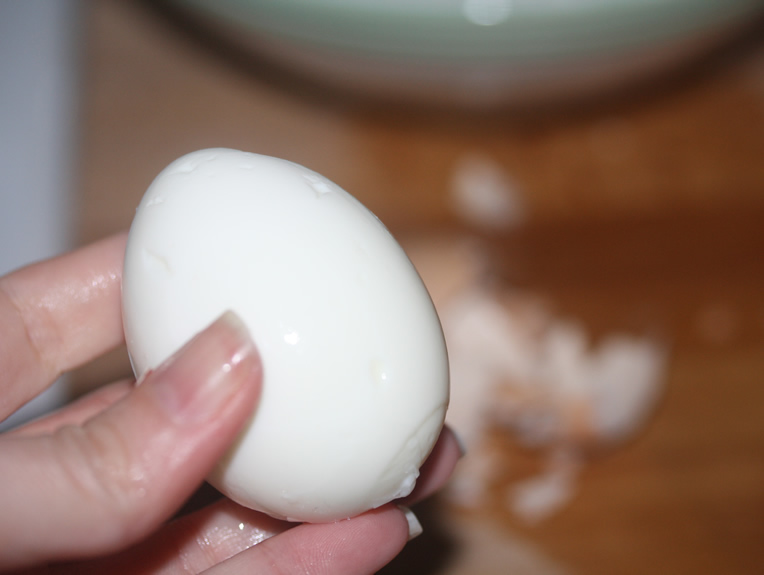
Perfect again this time!
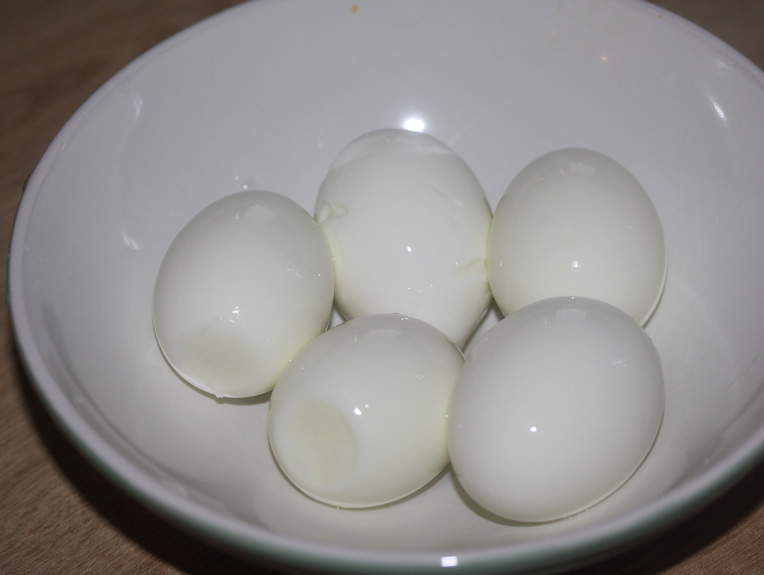
5 out of 5 peeled perfectly