Japanese Miso Soup - Traditional Simple Recipe
Asian Quick Recipes Simple Recipes Gluten-Free Recipes Retete Fitness Soups and Stews
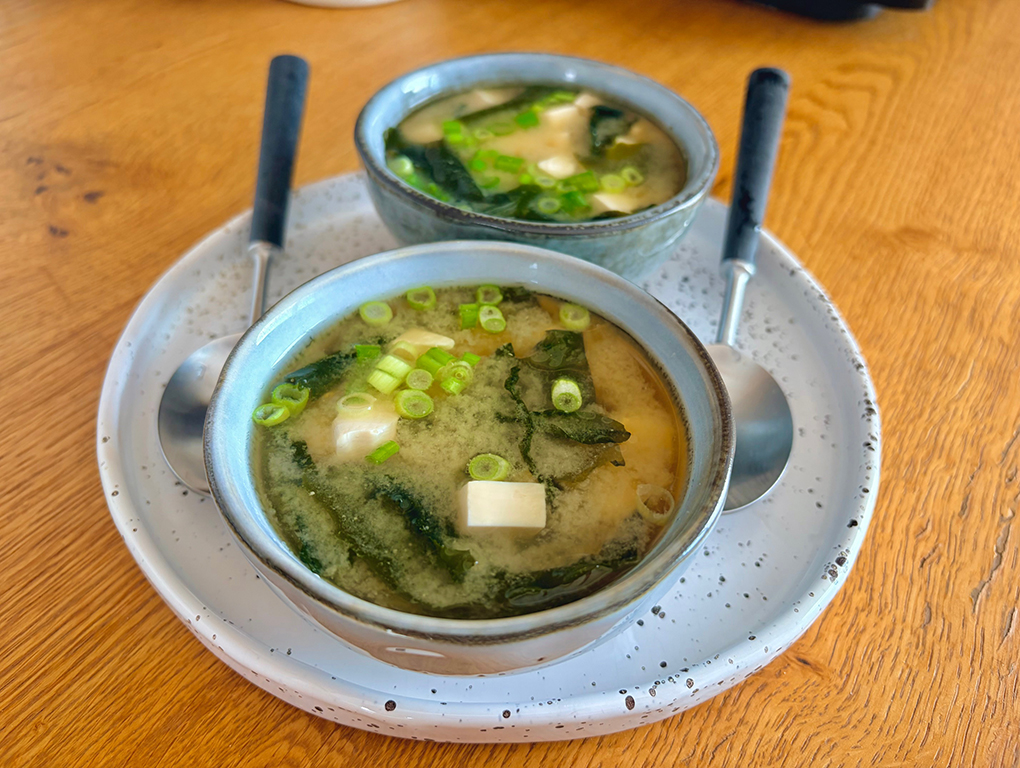
Miso soup is part of traditional Japanese cuisine, associated with longevity and healthy aging. It has beneficial effects on digestion (due to probiotics), skin (stimulates collagen production), hormonal balance (especially for women), and thanks to wakame seaweed, it helps eliminate heavy metals from the body.
There are many regional and family variations for miso soup, but the most famous (classic) is this version containing tofu, wakame seaweed, and green onion.
Miso soup can also be found in packet form, but even though I've tried several brands, including premium ones, none came close to the taste of homemade. Plus, you can control the amount of salt and other additives added to instant soups.
Ingredients
500g Japanese Dashi broth
150g tofu (firm or silken)
15g miso paste (any type, I use white miso - shiro miso)
2-3g dried wakame seaweed
1 green onion stalk
Servings: 2 normal or 3 small
Calories: 165 kcal total
Protein: 15.8g total
How to prepare japanese miso soup - traditional simple recipe
- Prepare the Japanese Dashi broth following steps 1-5 from this recipe. You will NOT season it with soy sauce, mirin, and sugar.
- Cut the tofu into cubes. If desired, blanch the cubes in water for 2-3 minutes to refresh the taste. Let them drain well in a sieve.
- If the wakame pieces are large in the packet, soak them in room temperature water for 10 minutes. At the end, drain and chop them into small pieces. If you have small pieces in the packet, you can skip soaking and add them directly to the miso while dry. Dried wakame seaweed has a very dark green, almost black color. Through rehydration, they become greenish and increase their volume greatly, so don't be tempted to add too many to the soup.
- Cut the green onion into fine rounds.
- When you want to serve the soup, heat the dashi broth until it's very hot, but don't let it boil. Put the miso paste in a tea strainer, submerge it in the soup, and rub with a spoon until all the paste dissolves in the soup.
Taste the soup - it should be aromatic and pleasantly salty. If it's too salty, it means the miso paste you're using contains too much salt; next time reduce the amount slightly or change the brand if reducing the quantity makes the taste bland. - Then add the tofu cubes and wakame and leave on low heat for another 2-3 minutes, but without boiling. Boiling will cause you to lose the benefits of the miso paste and seaweed.
- The soup is best served immediately; the taste is fresher. If there's leftover, it can be reheated, but again being careful not to boil it. Serve the soup in bowls, sprinkled with green onion rounds.